Common Misconceptions About Residential Drywall Work
Drywall shapes the look, comfort, and durability of a home, yet many homeowners believe it’s a simple construction project. The common misconceptions about residential drywall projects make it difficult to spot real problems and select the right solution.
A clean result depends on more than hanging panels and covering seams. Material choice, surface prep, framing condition, finishing level, and repair methods all affect how walls look and how long they last. When homeowners understand what goes into quality drywall work, they will make educated decisions for their homes.
Misconception #1: One Type of Drywall Fits Every Room
A bathroom, garage, laundry room, and bedroom have special conditions, and drywall should match those demands. Some areas need added moisture resistance, while others benefit from greater fire resistance or extra durability. Choosing an improper material increases the risk of swelling, deterioration, and staining.
Common residential drywall types include:
- Standard drywall for bedrooms, living rooms, and hallways
- Moisture-resistant drywall with a water-repellant core for bathrooms and laundry areas
- Mold-resistant drywall for spaces exposed to recurring humidity
- Fire-resistant drywall for garages and utility areas
A qualified installer evaluates the room’s purpose and will give a material recommendation based on its conditions. This approach makes sure the drywall doesn’t fail after a few years of installation.
Misconception #2: All Finishes Are Identical
Just like there are different types of drywall, there are multiple finishes to choose from. Finish quality affects how smooth a wall appears under natural light and overhead lighting.
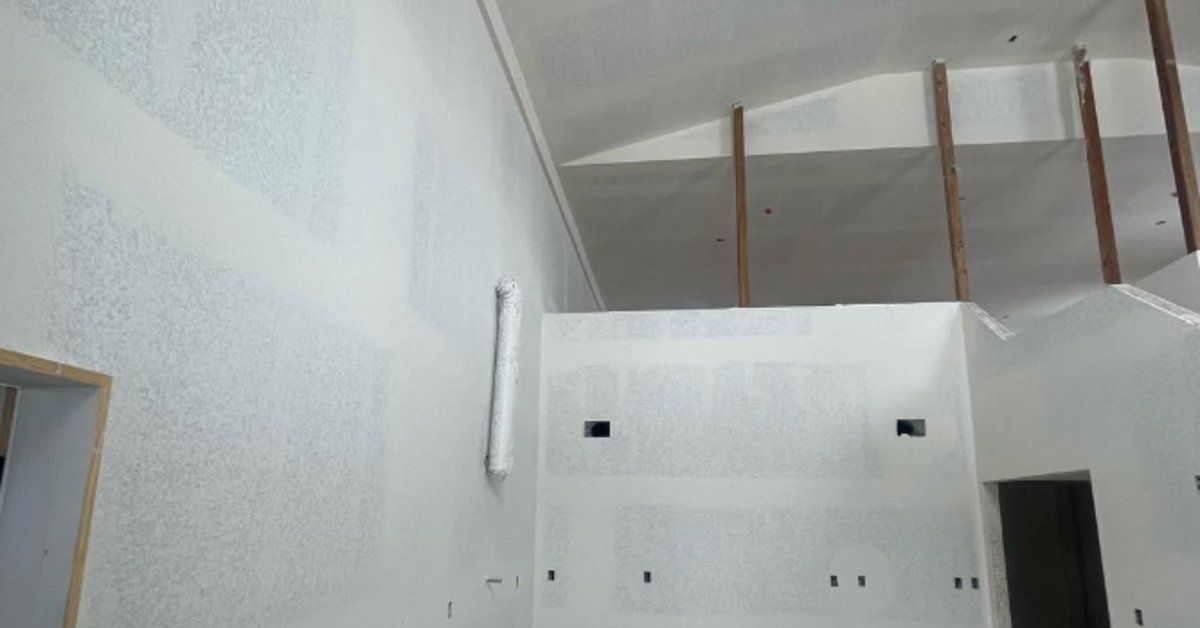
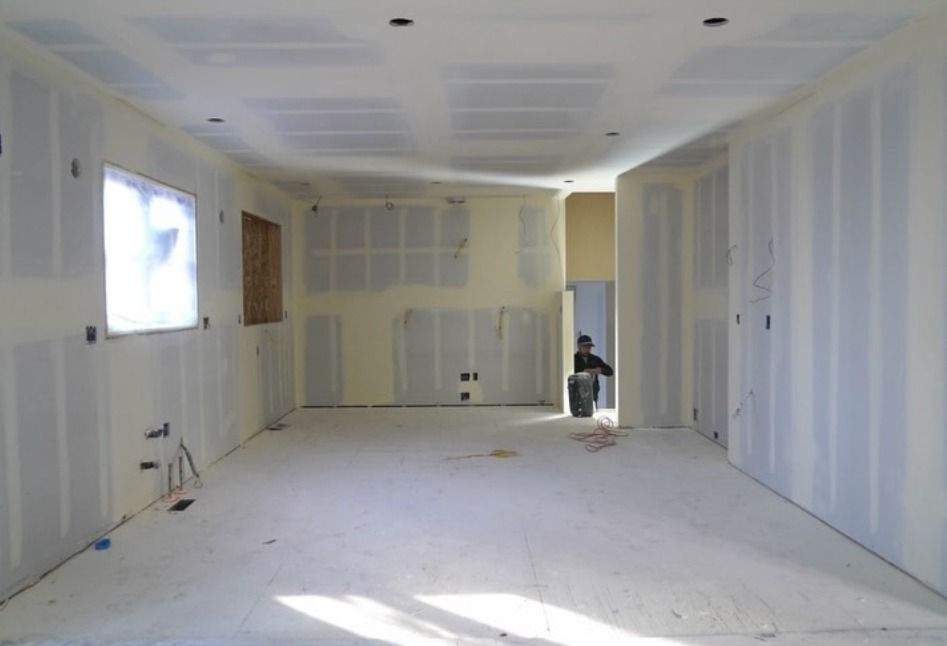
Drywall finishes range from basic taped joints to highly refined surfaces. A Level 2 finish is common in garages and utility rooms because those spaces do not require a polished appearance. Many interior walls use a Level 3 or Level 4 finish, especially when the surface will have a light texture or standard paint. For spaces that will have glossy paint, dark colors, or strong natural light, a Level 5 finish offers an extremely uniform result because of the skim coat over the entire surface.
Misconception #3: Air Sealing Doesn’t Matter
Homeowners usually notice the outcome before they notice the cause of uncomfortable spaces in the home. A room may feel drafty in winter, too warm in summer, or uneven from one side of the house to the other.
Air sealing affects insulation performance. Gaps in the drywall lead to unwanted air movement around the framing, penetrations, and wall assemblies. Tight, well-finished wall systems support a home that’s comfortable in every season.

Misconception #4: Patches Blend Easily
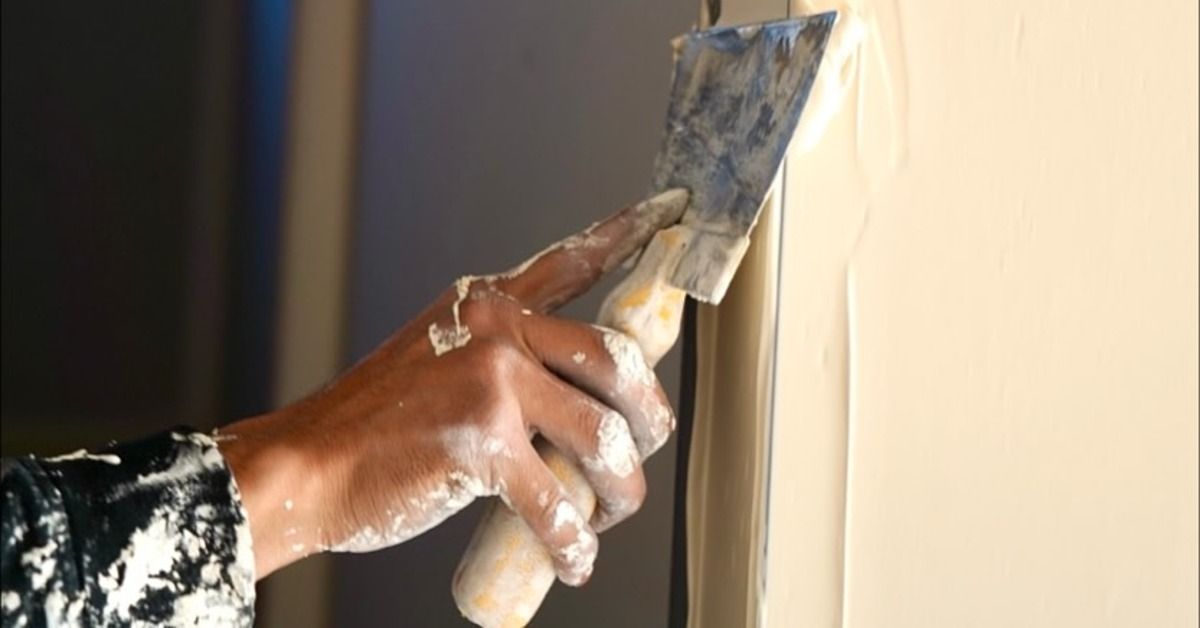
Patching drywall seems simple enough with a little help from watching online tutorials, but there are numerous factors that go into the task. The toughest challenge is making the patch disappear into the rest of the wall.
Small repairs become obvious when the patch sits slightly proud of the surface, dips inward, or reflects light differently than the surrounding wall. Texture creates another problem. Even when the repair feels smooth by hand, it may still stand out because the surrounding wall has a pattern that wasn’t matched correctly.
Paint makes mismatched repairs more visible. Fresh paint absorbs and reflects light differently than older painted surfaces, especially if the patched section didn’t undergo proper priming and finishing.
The repair should restore the wall without leaving a visible reminder of the damage. It takes precision, patience, and a strong understanding of drywall texture and finish.
Misconception #5: Minor Drywall Damage Isn’t a Serious Concern
A hairline crack or discolored spot is unsightly, but it doesn’t seem urgent. As a result, many homeowners leave drywall imperfections alone. This choice can escalate basic eyesores into serious structural or safety problems. Pay attention to the following warning signs of drywall damage:
- Soft spots
- Brown or yellow stains
- Cracks that continue to widen or lengthen
- Bubbling, peeling, or warped surfaces
Ignoring these signs puts more than appearance at risk. Discoloration signals water intrusion from plumbing leaks, roof problems, or condensation. Cracks reflect settling, framing movement, or weak attachment points. Soft drywall, bubbling paint, and surface staining deserve attention because they may indicate serious trouble inside the wall system.
Wet or deteriorating drywall loses strength and creates an environment where mold growth becomes more likely. This affects indoor air quality and may create health concerns for people living in the home.
Misconception #6: The Home’s Stability Doesn’t Affect Drywall
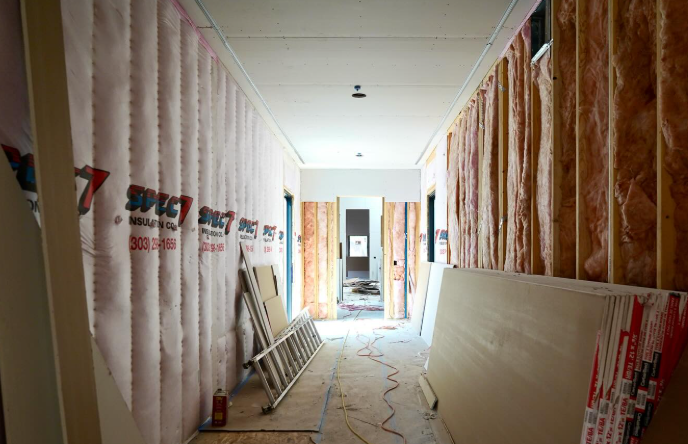
Drywall doesn’t exist apart from the structure behind it. Strong framing supports flat walls, secure fastener placement, and long-lasting finishes. A damaged or shifting frame will become apparent on the drywall’s surface.
Rotting wood studs, warped framing members, and weak attachment points compromise the finished surface. Homeowners focused only on the visible wall may miss signs that the structure needs attention before new drywall goes up. Installing fresh drywall over unstable framing sets the project up for cracking, sagging, and poor alignment.
Fastener placement matters just as much. It’s important to insert the drywall screws at the appropriate depth and spacing to hold panels securely without damaging the face paper. Improper screw installation weakens the bond between the panel and framing, which affects the wall’s longevity and the finish’s appearance.

Misconception #7: Drywall Work Is Simple
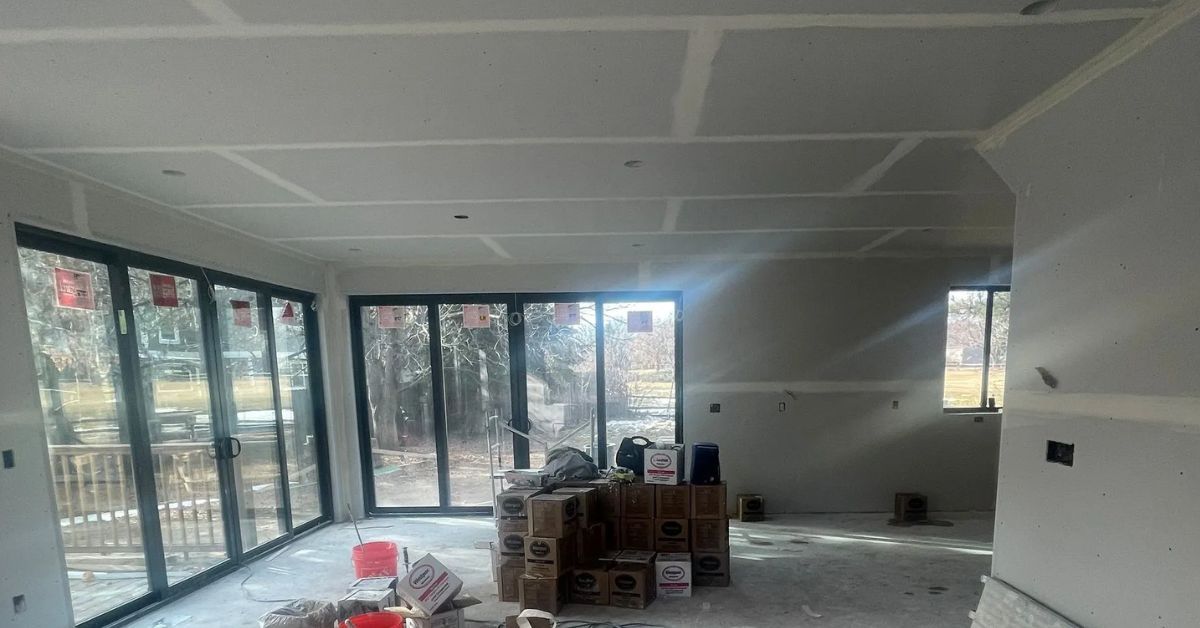
Some homeowners want to master every DIY project, so they can keep their houses in great shape. However, drywall installation isn’t always a straightforward project that homeowners can accomplish in a single weekend. Measuring panels, cutting clean edges, fitting around outlets and corners, and securing sheets to the frame all require consistency.
Repairs carry their own risks. A crack or damaged section may hide moisture, mold, or pest activity inside the wall cavity. Once the surface opens, the scope of the problem may turn out to be much larger than expected.
That’s why drywall work is a skilled trade. Good results depend on effort, technique, product knowledge, and the ability to spot issues that a homeowner may not notice before work begins.
Install or Repair Drywall With Rival Drywall
These common misconceptions about residential drywall work cause many homeowners to underestimate what quality installation and repair really involve. Through meticulous work, the walls look smoother, the rooms feel more comfortable, and any hidden problems disappear before they worsen.
Rival Drywall is a residential drywall company that helps homeowners move past guesswork with services built around lasting results. For help with drywall installation, repairs, and finishing, contact Rival Drywall. Our expert support will make your home’s walls look incredible and stay strong.