Careful Removal Prevents Costly Damage
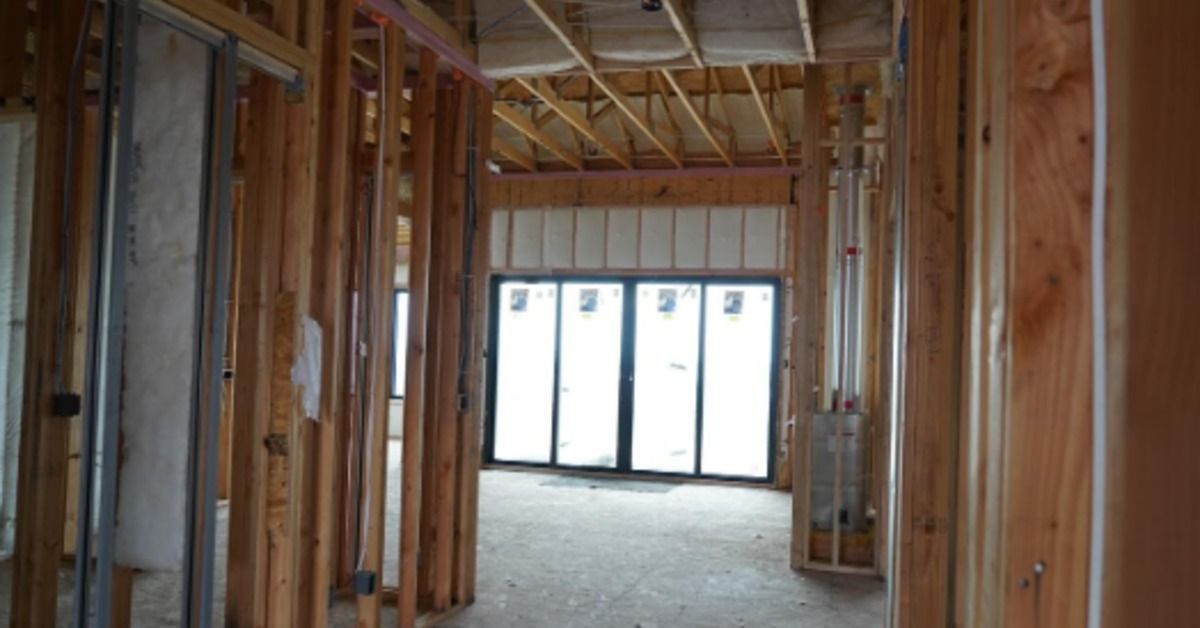
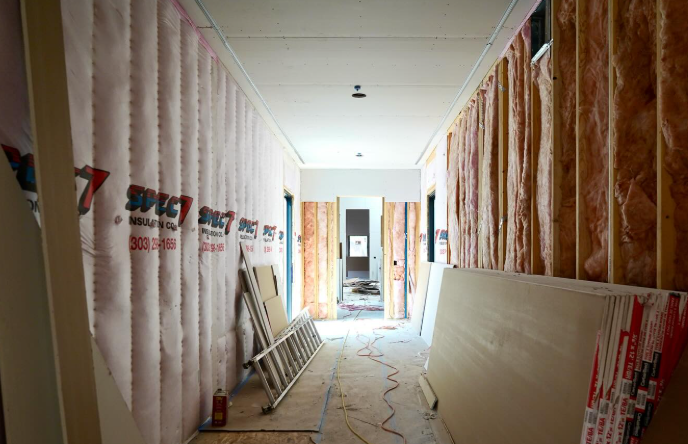
Sometimes, existing walls have to come down for layout changes or structural updates. Cutting into a wall without planning can damage wiring, plumbing, insulation, blocking, or nearby finishes. Controlled removal protects the parts of the home that need to remain intact.
Good removal starts with measured cuts and steady handling. Crews should protect floors and nearby rooms from dust before pulling panels. They should separate the old board from the trim, cabinets, and ceilings without tearing the surrounding surfaces.
Once the wall opens, hidden conditions come into view. Moisture damage, loose framing, past repairs, or missing backing become easier to correct before new drywall goes up. That prevents covered-up problems from turning into cracks later.
Materials Must Suit Each Room
Drywall panels serve different purposes throughout a home. Bedrooms and living rooms work well with standard board. Bathrooms, basements, laundry spaces and ceilings may benefit from moisture- or impact-resistant panels.
Material choice affects how well the surface performs after the remodel. The wrong board can wear early or struggle in damp areas. Incorrect thickness leaves the new drywall out of plane with the existing walls.
A drywall expert matches panel type and thickness to the room. They account for ceiling spans, wall height, transitions, and finish expectations. This decision seems small during construction, but it influences durability and final appearance.
Installation Determines Surface Stability
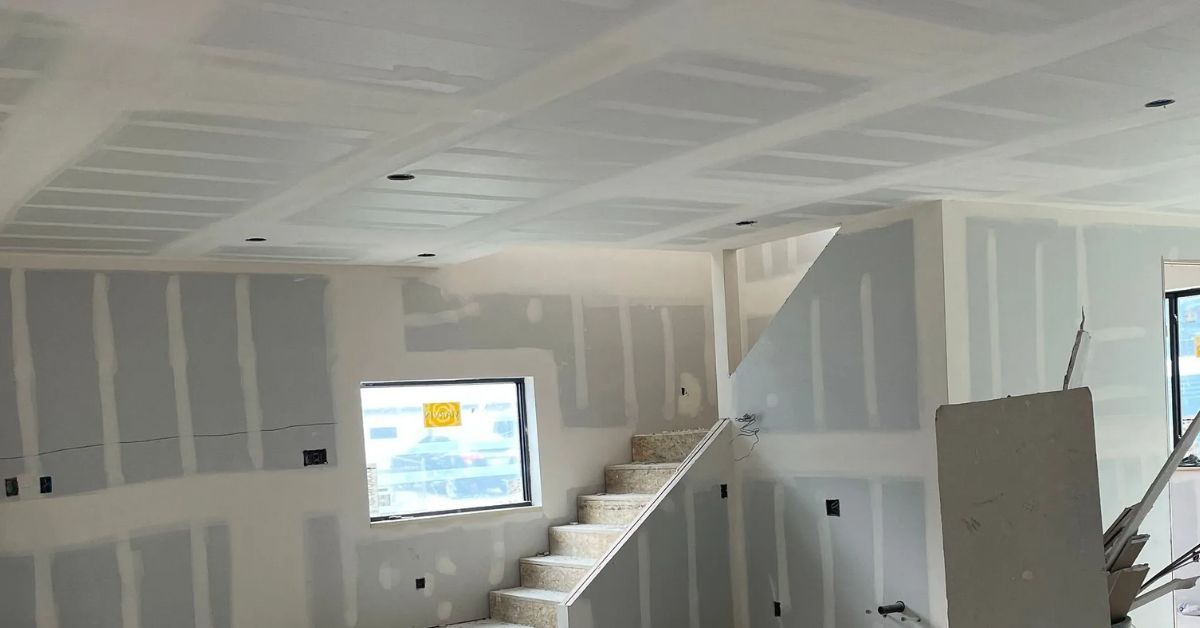
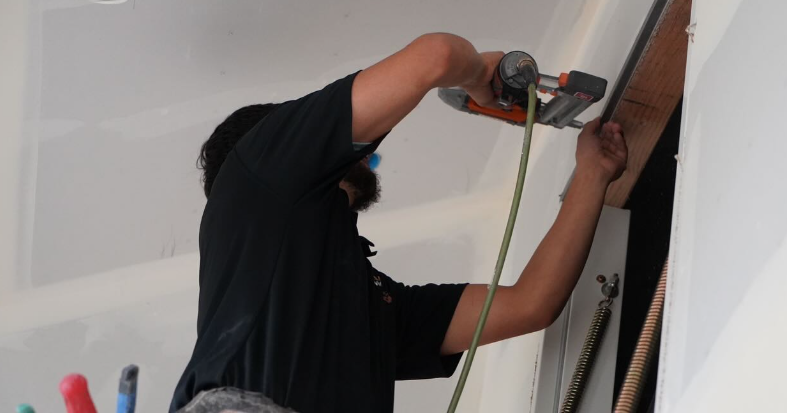
Drywall installation demands accuracy from the first panel. Board edges need solid support. Fasteners need correct spacing and depth. Openings around outlets, vents, windows, and doors need clean cuts so each panel sits flat.
Poor installation creates weak spots. Driving screws deeply will break the face paper. Edges without ample support will flex. These issues and more lead to cracks, nail pops, and uneven finishes.
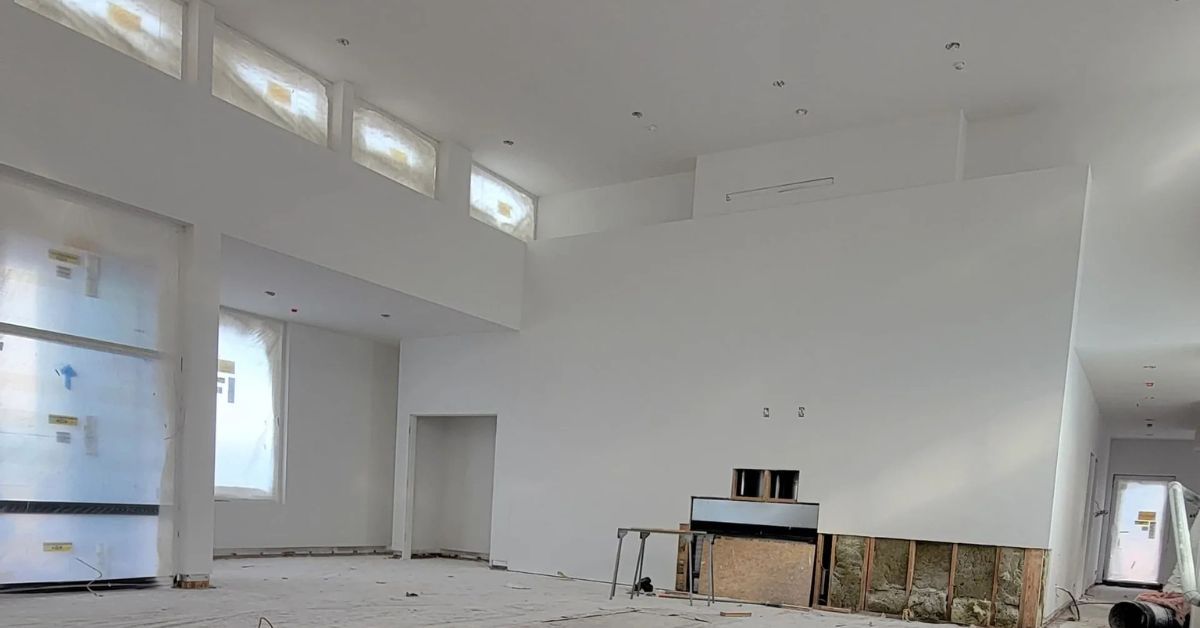
A skilled installer plans the drywall layout before fastening the first board. In many cases, they must work around framing that isn’t perfectly straight. The goals are to reduce unnecessary seams and place joints where finishing will blend naturally. With a careful eye, the finish looks refined.
Seamless Repairs Protect the Design
Remodels often require drywall repairs even when full replacement isn’t necessary. Moving outlets, removing cabinets, changing plumbing or updating built-ins leaves openings behind. Those repairs have to blend into the surrounding wall and ceiling.
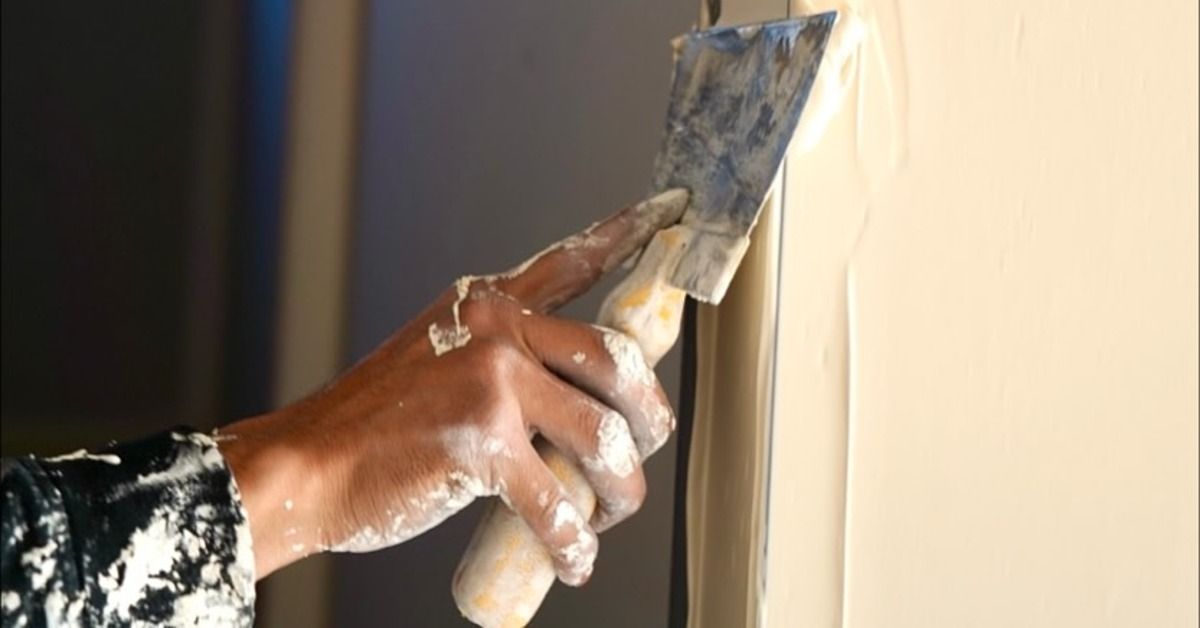
A good repair starts with solid backing and a tight patch. The patch has to sit flush with the existing drywall. Tape and compound then create a smooth transition from the repair into the original surface.
A great repair blends into the wall and becomes unidentifiable. The process takes patience because too much compound creates a hump, while too little leaves a dip. A seamless repair protects the remodel design by preventing one patched area from becoming the first thing people notice.
Texture Shapes the Final Appearance
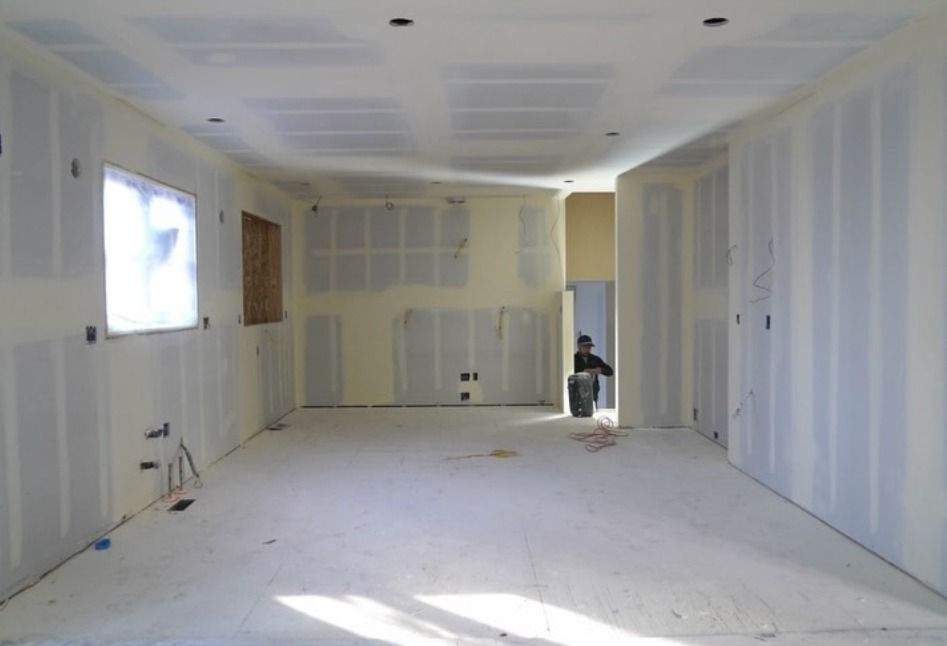
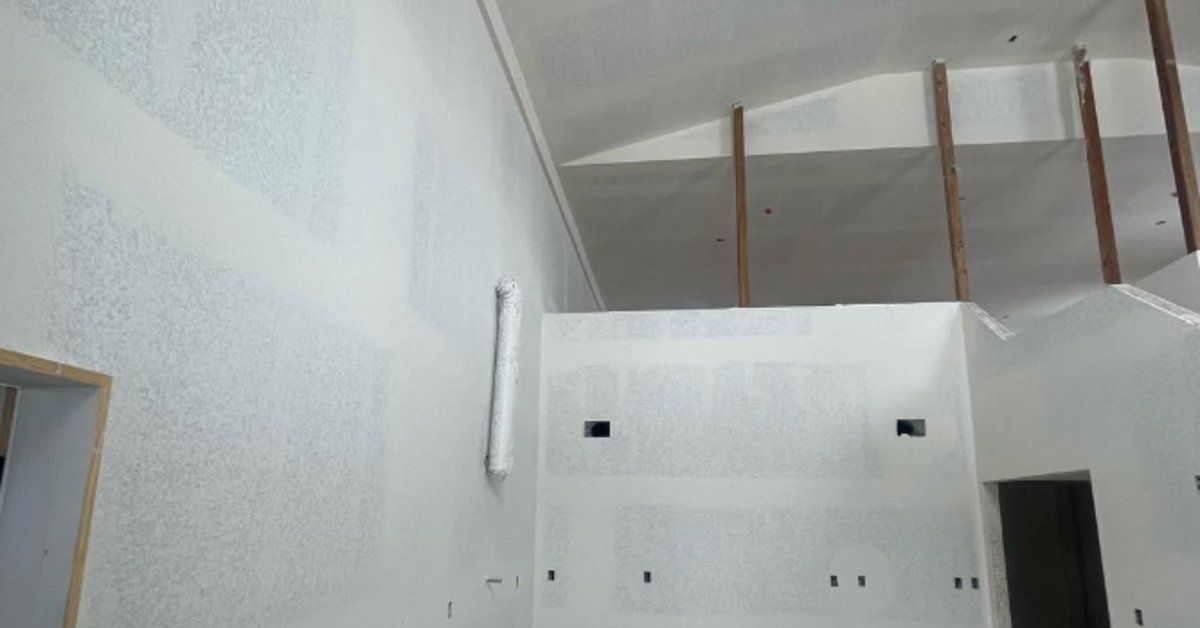
Finish work turns installed panels and repairs into a paint-ready surface. This includes taping, compound coats, sanding, corner bead, and texture matching. Each step affects how the wall reacts to sunlight and ceiling lights.
Joint compound should form a gradual transition across seams and patches. Straight, crisp corners paired with a texture that matches the existing wills will prevent the wall from standing out for all the wrong reasons.
This work requires timing as much as technique. The compound need ample time to dry time between coats. Additionally, the texture needs the appropriate pattern and density to look seamless. Done well, finish work makes the wall read as one continuous surface.