Tips for Coordinating Drywall Work on Any Project

June 4, 2026

There are a lot of moving parts that happen before the first drywall panel goes up. Someone has to line up access to the property and confirm the project specs. Without a detailed installation process in place, the project timeline will fall apart, and the end result will be a mess. Before starting, these tips for coordinating drywall work will make the project more manageable.

Match the Plan to the Job

Drywall coordination changes with the size and setting of the project. A strong plan reflects the actual jobsite instead of treating every drywall project the same way.

Begin with a written scope before the crew arrives. Name the rooms involved and describe the exact drywall work planned. Include finish level and texture expectations in plain language. Clear scope details reduce assumptions once installation or repair work begins.

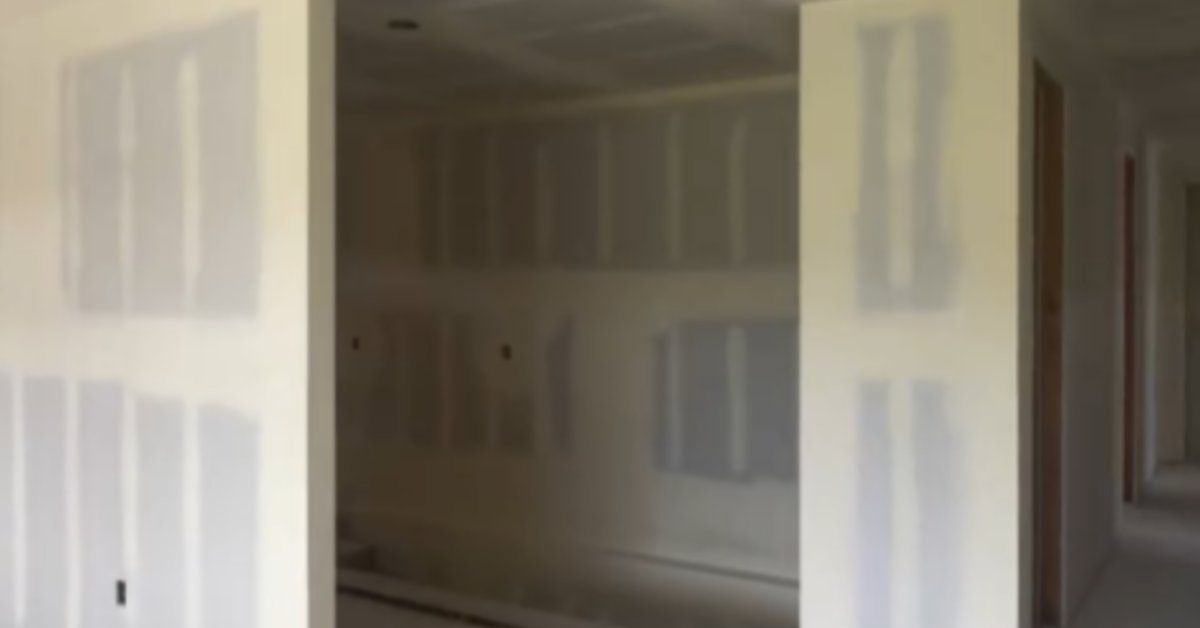
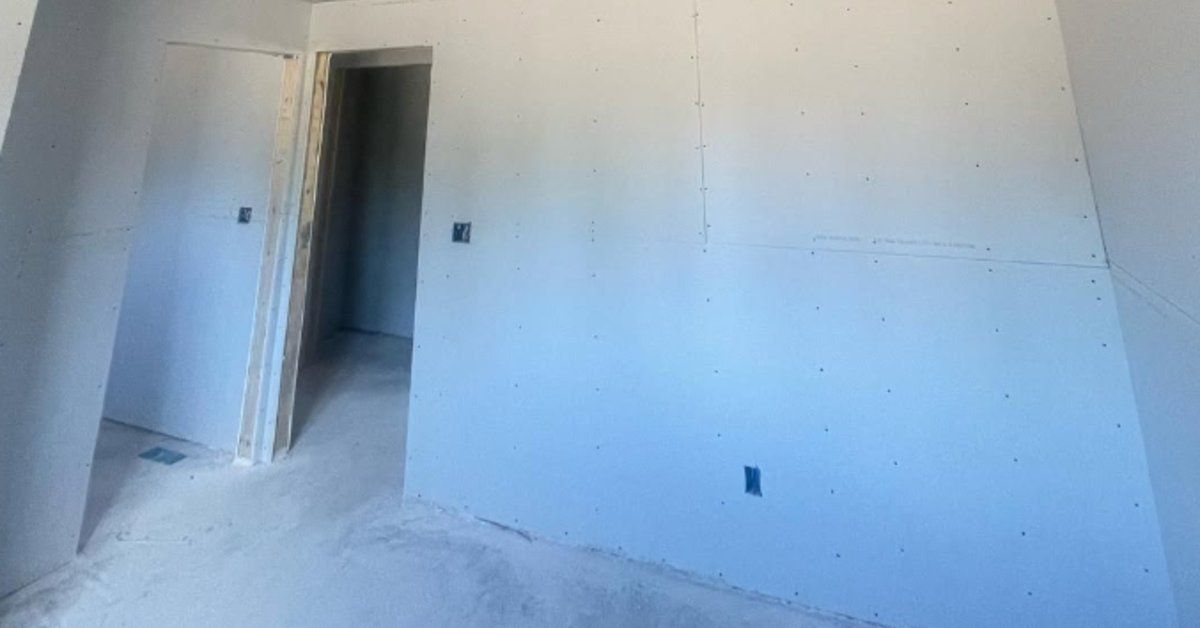
An unfinished room with freshly installed drywall, a doorway opening, and construction dust on the floor.

Guide Home Renovations

Home renovations bring drywall work into active living spaces. The plan has to account for furniture and daily routines. Good coordination lowers stress while it protects the areas outside the work zone.

Confirm Access Details

Access details affect the schedule from the first day. If the crew doesn’t know where to park their vehicles or which rooms to avoid entering, the project falls apart rapidly. Descriptive instructions prevent delays.

Clear the Room

Drywall crews work best in rooms with open wall access and clear walking space. When homeowners move the furniture away from the work area before the crew arrives, the crew has an easier time getting to work quickly. Large items that have to stay in the room should sit near the center and have a protective covering. This setup gives the crew room to carry tools, hang boards, apply the compound, and sand surfaces without working around obstacles.

The path into the room needs the same attention. Hallways, stairs, and entry points should stay open so people can move materials without scraping the walls or trim. A clear route also reduces the chance of dust spreading into rooms that aren’t part of the project.

Schedule Cleanup Expectations

Drywall work produces scrap material, sanding dust, and surface debris at different stages. Cleanup expectations should be discussed before work begins, so the homeowner knows what the crew will handle each day. This is especially important when families are residing in other areas of the house during the project.

Daily cleanup could include removing debris and organizing the work area. Tools, panels, compound, and corner bead need a safe place between workdays. With a tidy workspace, crews will be ready for continued work, and the family will feel comfortable in their living environment.

Sequence Remodel Work

Drywall should follow framing and rough mechanical work. It should come before trim and paint. Each trade affects the next step.

Protect Existing Finishes

Remodels commonly take place near finished flooring or occupied rooms. Drywall materials could damage those areas during delivery if the route lacks protection. Run floor coverings along the main travel path. Protect the corners in tight turns to prevent panels or tools from brushing against them.

Dust protection is another essential element. Plastic barriers should separate the work zone from rooms outside the project area. Return vents should receive attention because airflow can pull dust through the home. A good protection plan lets the crew focus on the remodel without creating extra cleanup tasks in finished spaces.

Verify Rough Work

Rough work should be complete before drywall covers the framing. Electrical boxes need proper depth, so the outlets sit correctly after finishing. Plumbing and mechanical lines should stay inside the wall cavity without pushing against the board. Correct uneven framing before installing the panels.

This review protects the project timeline and the finished surface. Once the crew hangs the boards, overlooked rough work becomes tough to reach. A forgotten inspection or late mechanical change can force the removal of fresh drywall. Project leaders should confirm approvals before the crew closes the walls.

Check Change Orders Early

Remodel plans can shift once walls open up. A revised doorway, added outlet, or new soffit changes the drywall scope because it changes the surface the crew has to finish. It’s necessary to document any updates before the crew hangs up the boards. Waiting until the work begins makes labor, materials, and timing difficult to control.

Written change orders keep everyone working from the same plan. The note should describe the change, identify the location, and explain the schedule impact. Even a small framing revision can change panel layout or finishing time. Early approval reduces rework and keeps the drywall phase tied to the larger remodel schedule.

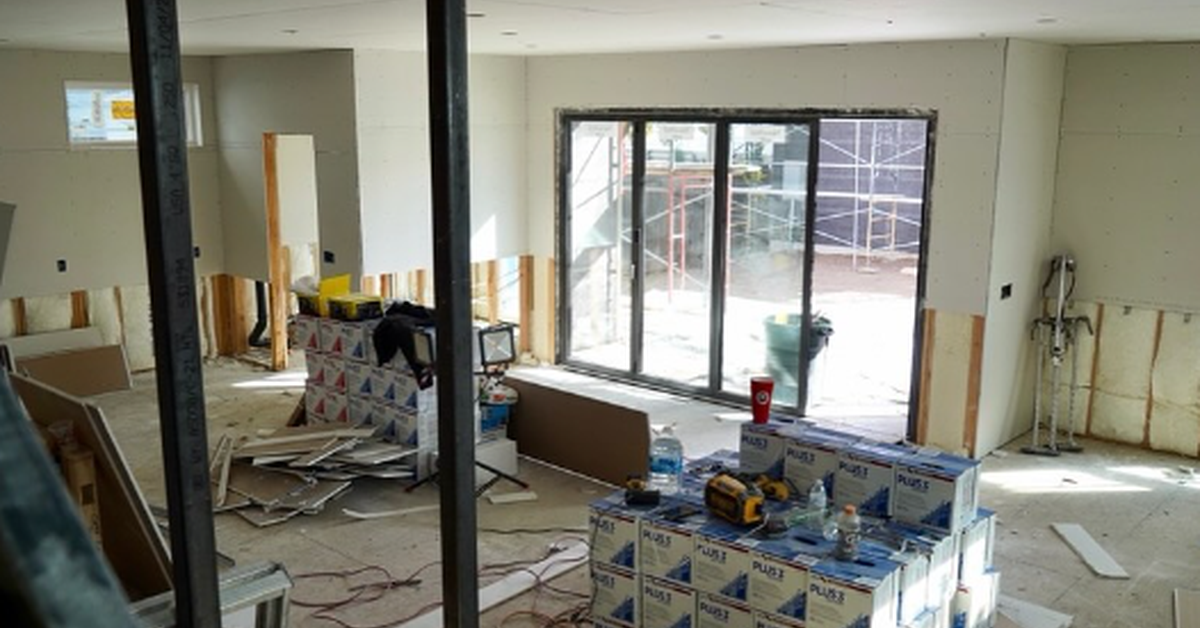
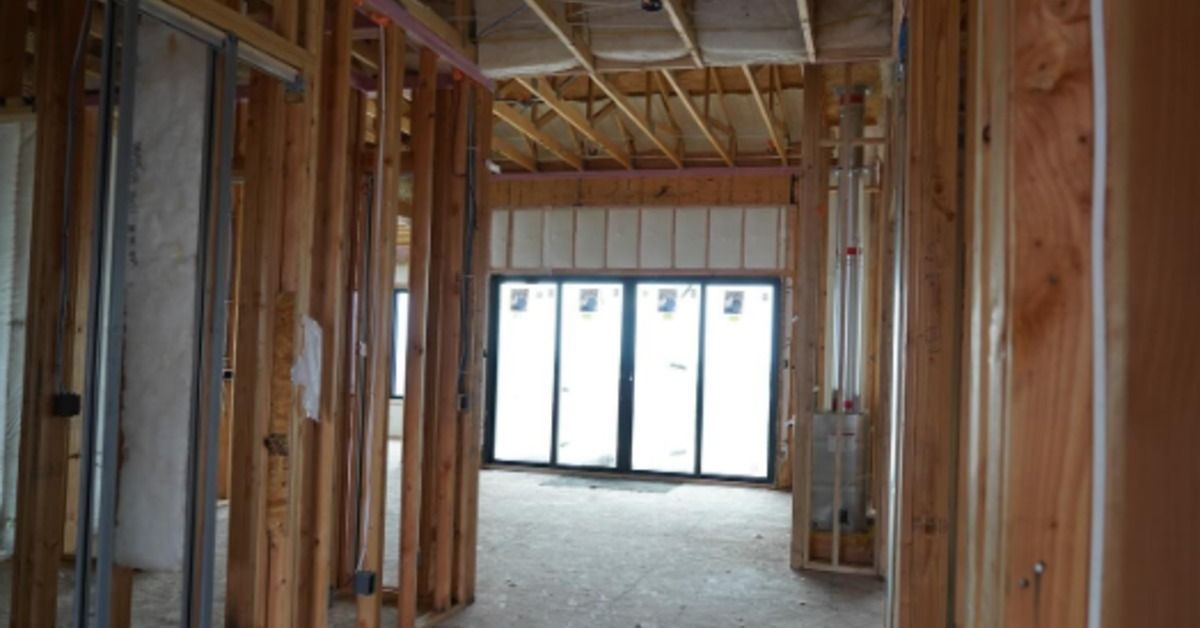
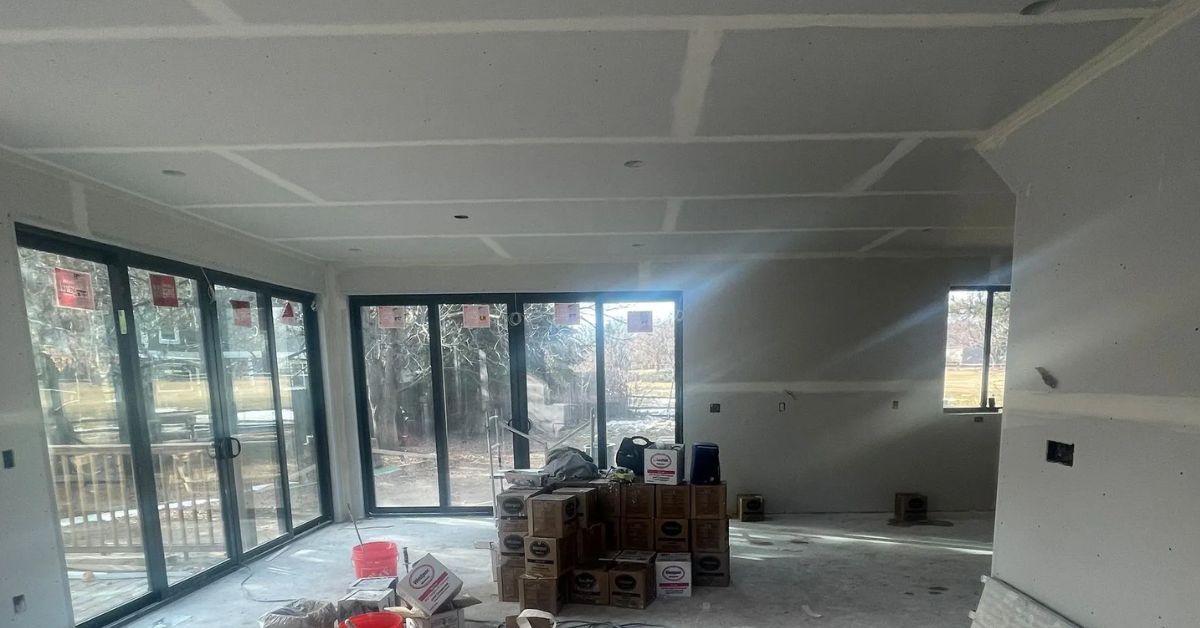
An interior space under construction featuring drywall installation, framed openings, and unfinished walls.

Support Custom Homes

Custom homes need careful drywall coordination because finish expectations run high. Large rooms and long ceiling lines reveal poor planning. Each detail should support a smooth finish before installation starts.

Review Finish Levels

Finish level should match the design and lighting in each room. Level 4 works well on many painted walls with standard texture. Level 5 includes a skim coat across the surface and supports smooth walls under strong light.

Texture decisions belong in the same conversation. Knockdown, orange peel, and smooth finishes change how the wall surface reads under light. Ensure that everyone agrees on the preferred finish before moving forward with the project.

Manage Jobsite Conditions

Drywall compound needs the right conditions to dry predictably. Cold rooms slow drying and delay the next coat. High humidity creates the same issue because moisture stays in the material for long periods. Heat and controlled airflow help crews maintain a steady finishing schedule.

Jobsite timing matters around sensitive materials, too. Cabinets, flooring, and finished trim should arrive after sanding whenever the schedule allows. Dust from finishing can settle into new surfaces and create extra cleanup. With a controlled environment, consistent drying and protecting areas from drywall dust is possible.

Plan Lighting Before Finishing

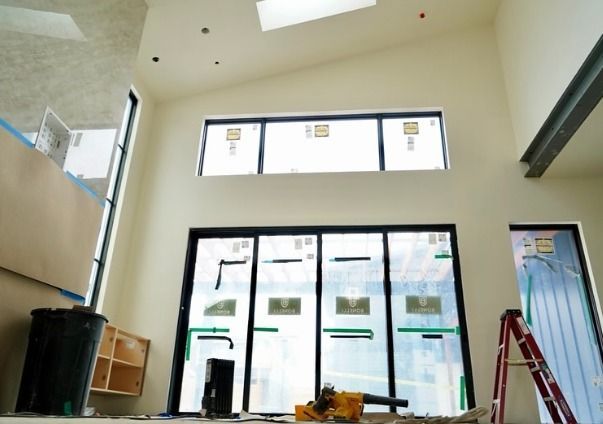
Lighting influences how finished drywall appears after paint. Large windows, recessed fixtures, and wall-washing lights highlight surface variation. Smooth walls need extra planning in these areas because direct light reveals seams and fastener spots.

The drywall crew needs that information early. A room with strong natural light might need a higher-quality finish than a hallway with soft lighting. Texture reduces the visibility of minor surface variation, but it won’t fix a finish level that doesn’t match the design. Lighting review gives the crew a clear target before coating begins.

Work Together for a Successful Renovation

Good coordination turns drywall into a predictable project phase instead of a last-minute scramble. Implementing these ideas for coordinating drywall work on any project will improve the outcome.

Rival Drywall is a drywall contractor in Denver that works with homeowners and project teams. From simple repairs to extensive drywall renovations, our team has the experience needed to skillfully complete each project.

Why Quality Drywall Matters in Home Remodels
May 14, 2026
Drywall isn't the first thing homeowners think about during a remodel, but it's an essential component. Learn why quality drywall matters in home renovations.
Dos and Don’ts of Tenant Improvement Drywall Jobs
April 30, 2026
Tenants deserve to live in a property that repairs drywall issues promptly. Follow the dos and don'ts of tenant improvement drywall jobs for the best result.
Why DIY Drywall Repairs Often Cost More Long Term
By Derek Adams April 20, 2026
Fixing damaged drywall may seem simple to DIY on the surface. However, DIY drywall repairs often cost more long term because of the intricate process.
Qualities To Look for in a Great Drywall Contractor
April 7, 2026
There are several qualities that make up a great contractor. From amazing communication skills to quality installation, learn how to find the best professional.
Common Challenges in Drywall Projects and How To Avoid Them
By Derek Adams March 19, 2026
Installing and repairing drywall is a complex skill. With so many elements to consider, learn how to avoid the most common challenges in drywall projects.
Common Misconceptions About Residential Drywall Work
March 17, 2026
Drywall repair and installation are tougher projects than many homeowners realize. Discover the most common misconceptions about residential drywall work.
Tips for Managing Large-Scale Drywall Installations
February 27, 2026
Learn practical tips for managing large-scale drywall installations, including scheduling, crew coordination, quality control checklists, and more.
Steps To Take After Your Drywall Suffers Water Damage
February 11, 2026
Water can ruin your walls, cause mold growth, and affect your home’s structural integrity. Follow these steps to address drywall water damage.
How New Drywall Can Modernize and Brighten Your Living Space
February 4, 2026
Living room walls with dents, cracks, and lackluster surfaces are eyesores. Installing new drywall will modernize and brighten your living space.
What You Can Expect From a Commercial Drywall Install
January 5, 2026
Renovating or building a new facility is a task you cannot accomplish alone. Here’s what you can expect from commercial drywall installation.
Show More