What To Expect From Commercial Drywall Contractors

July 17, 2026

Some drywall projects demand more than a maintenance team or general handyman crew. Large walls, damaged areas, textured surfaces, and phased construction work all require professional planning.

Before hiring a commercial drywall contractor, it’s worth knowing how the drywall installation and repair processes should unfold. From steady coordination to careful installation, find out what characteristics make up a trustworthy contractor.

A Detailed Site Review

Commercial repair work calls for more than a glance at the surface. The crew has to understand the building layout, wall conditions, access points, and active work areas before discussing the job in detail.

Moisture staining can point to a separate building issue. Cracked seams might show movement or past finishing problems. Impact damage may require reinforcement behind the visible patch.

Installation projects require the same careful review. Framing lines, ceiling heights, door openings, and mechanical locations affect the drywall plan. A strong site review gives the contractor a practical starting point before materials arrive.

Discuss the Project’s Scope

Commercial clients should expect a scope discussion that explains each project stage. The contractor should describe which areas require hanging, finishing, repair, texture, or preparation for paint. Each condition affects labor, materials, access, and sequencing, making project scope incredibly important.

An experienced contractor knows how to separate drywall responsibilities from work handled by other trades. Electrical openings, plumbing access, and paint schedules all affect the job. A clear scope gives every decision-maker a shared understanding before work begins.

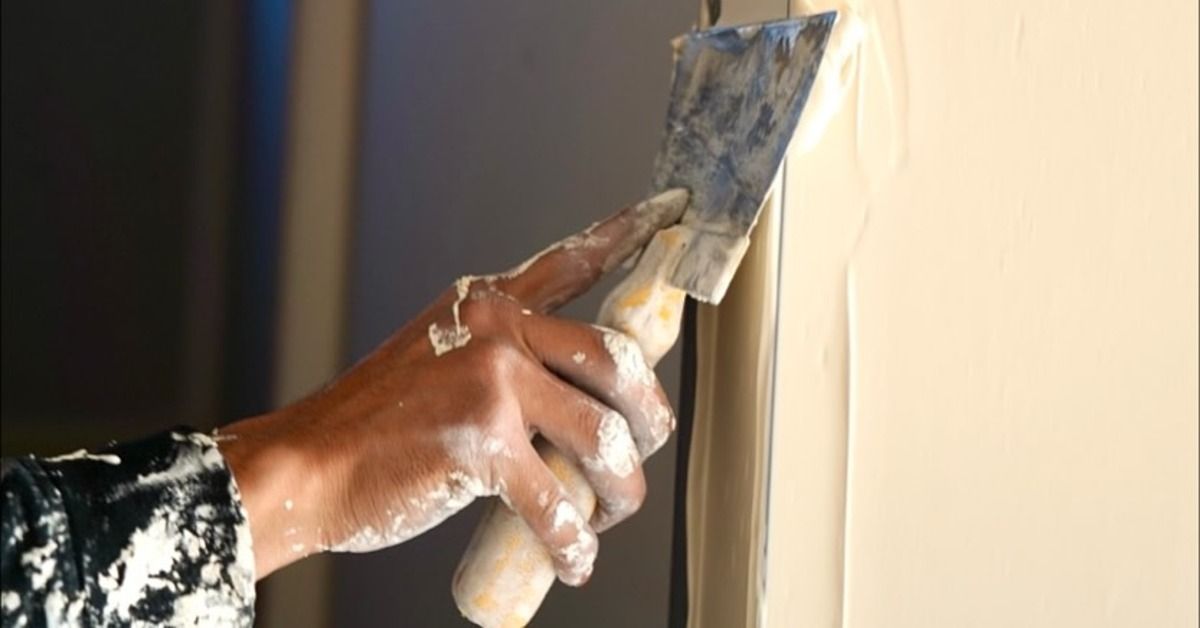
A close-up of a person's hand with white speckles using a drywall scraper to apply a joint compound to a wall.

Plan a Realistic Schedule

Drywall work has to fit the rhythm of the building. Contractors should discuss work hours, material delivery, access limits, and phase timing before the crew arrives.

Active facilities require thoughtful scheduling because people still use the space. It may be beneficial to group repairs in offices by department. For retail buildings, repairs may need to take place while customers shop.

Contractors also have to account for the drywall compound’s drying time between coats. Then, they can incorporate the average amount of time needed for sanding and texture. With a schedule that reflects the project scope, customers will be able to return to their normal schedules without delay.

Organized Project Communication

The client needs to have a point of contact who will provide continuous updates and answer questions as they arise. Good communication begins before the first workday. The contractor should confirm access instructions, parking rules, delivery areas, and building requirements with the right contact.

These details may seem small at first. However, they affect the crew’s ability to work efficiently after production begins.

Reliable Trade Coordination

In addition to communicating with the client, drywall contractors must also know how to coordinate with other trades. Framing, electrical, plumbing, HVAC, ceilings, insulation, and painting all influence drywall timing.

A dependable contractor understands how trade sequencing affects the wall system. Crews cannot close the walls before rough-in work or inspections. Finishers are unable to produce a clean result as other trades repeatedly cut into sealed surfaces.

Coordination protects the schedule and reduces rework. Contractors should raise conflicts early so the project team has time to respond. Commercial clients benefit from a drywall partner who can follow the correct construction sequence.

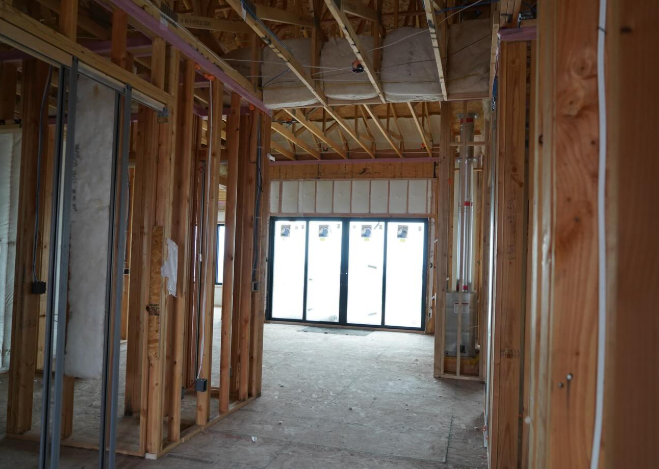
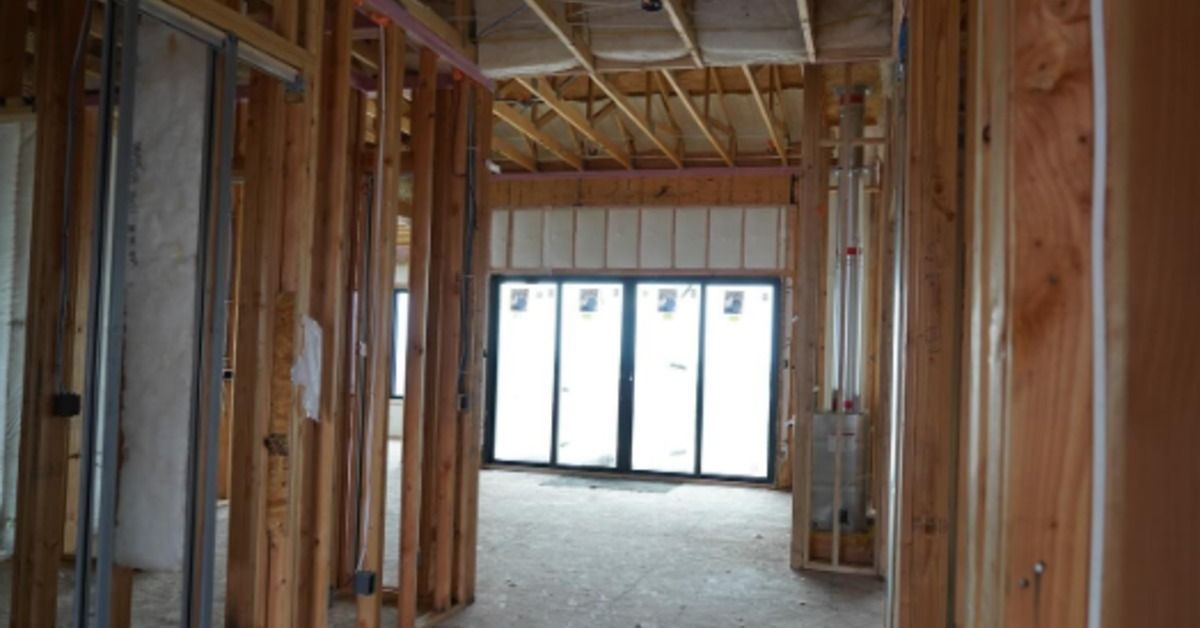
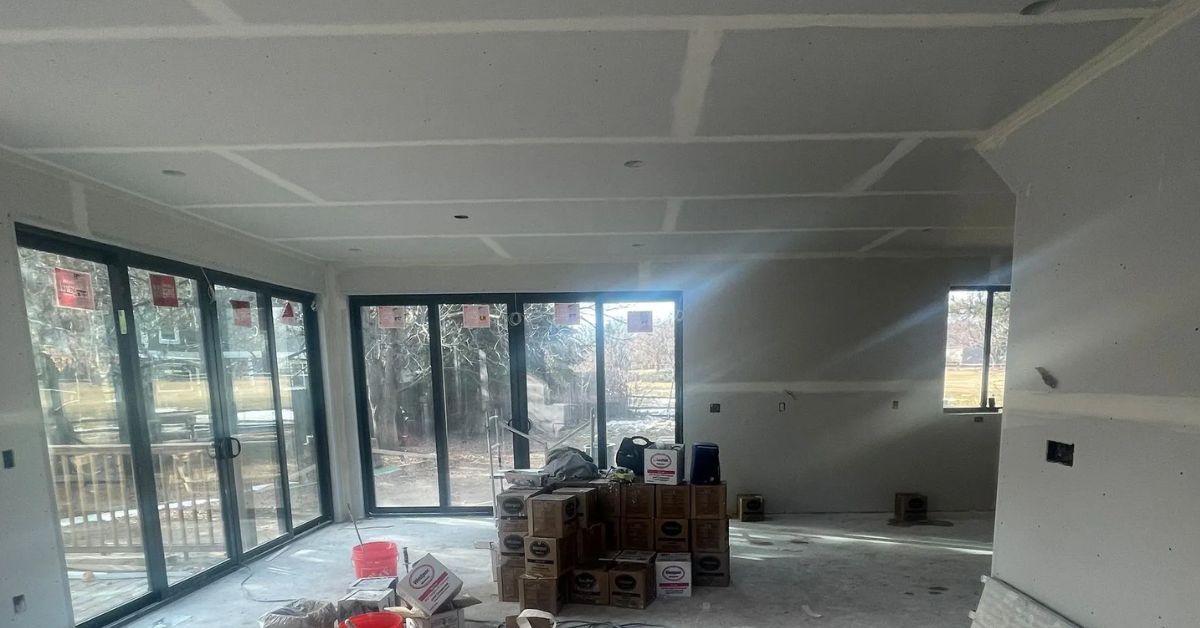
The inside of a building with a subfloor, wood ceiling beams, studs, and glass doors covered with a protective film.

Protect the Work Areas

Drywall crews should protect nearby spaces before repair or installation begins. Dust, joint compound, tools, and material movement can create problems quickly when precautions are overlooked.

Most commercial clients want the work completed without damage to the building or disruption to valuable equipment and supplies. A professional contractor approaches protection as part of the project rather than an afterthought, creating a safe, organized work environment.

Protection measures should match the conditions of the facility. Contractors install dust barriers to separate work zones from occupied areas. Floor coverings shield finished surfaces from traffic and material handling. Designated access routes help crews move materials efficiently while limiting contact with sensitive areas. Careful staging keeps tools and supplies contained throughout the project.

Skilled Drywall Installation

Skilled drywall installation begins with precision at every stage of the process. Reliable contractors take time to measure accurately, align panels carefully, and secure each board according to industry standards. This attention to detail creates a stable wall system that performs well over time and provides a strong foundation for finishing work.

Customers evaluating drywall contractors should pay close attention to workmanship standards. Professional crews understand how panel placement affects durability and appearance. They maintain consistent fastening patterns, create clean seams, and prepare surfaces thoroughly before finishing begins. These practices reduce the risk of visible imperfections and premature wear.

Texture and finish quality offer another sign of professional installation. Experienced contractors produce surfaces with a uniform appearance that blends naturally across the wall. Whether the project calls for smooth finishes or textured surfaces, the completed drywall should appear consistent under everyday lighting. Strong installation practices support sturdy walls and polished results that suit the demands of commercial spaces.

Consistent Finish Quality

Commercial spaces reflect the business itself. While wall quality isn’t a design element that people focus on, individuals will notice when a surface looks unsightly. Clean, uniform surfaces will support a professional appearance.

Creating that level of quality starts during installation rather than at the end of the project. Drywall installers must pay close attention to panel alignment, seam placement, fastening patterns, and corner details. Small inconsistencies in these areas become very visible after painting and lights hit the surface.

Professional contractors focus on producing smooth transitions across the entire wall surface. Joint treatment must remain consistent from one section to the next. Corners should be straight and well-defined. Texture should blend evenly across repaired and newly installed areas.

Discuss Your Commercial Drywall Project

Clients should expect commercial drywall contractors to be communicative, organized, and skilled. Rival Drywall is a commercial drywall company that works with commercial and multifamily projects throughout Colorado’s Front Range.

Whether the project is for a new build or involves various repairs inside an active facility, Rival Drywall is ready for the task. We handle drywall, metal framing, acoustical ceiling tile installation, and insulation with a focus on quality work and responsive service. Reach out to our team to discuss your upcoming project and request a quote.

A close-up of a mud-covered hand holding a metal putty knife against a smooth beige wall indoors bes
June 30, 2026
Drywall repair is a complex process that requires a steady hand and thorough preparation. Find out which mistakes you should avoid when patching drywall damage.
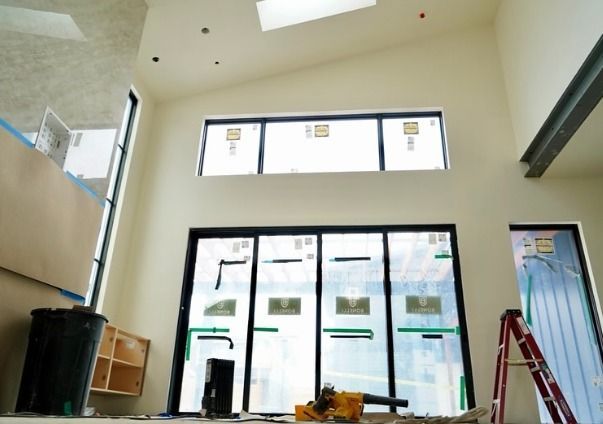
A high-ceilinged interior room with newly installed drywall, exposed beams, and unfinished construct
June 4, 2026
Whether it's a small or extensive task, installing drywall is difficult without a plan. Use these tips to coordinate drywall work for any project.
Why Quality Drywall Matters in Home Remodels
May 14, 2026
Drywall isn't the first thing homeowners think about during a remodel, but it's an essential component. Learn why quality drywall matters in home renovations.
Dos and Don’ts of Tenant Improvement Drywall Jobs
April 30, 2026
Tenants deserve to live in a property that repairs drywall issues promptly. Follow the dos and don'ts of tenant improvement drywall jobs for the best result.
Why DIY Drywall Repairs Often Cost More Long Term
By Derek Adams April 20, 2026
Fixing damaged drywall may seem simple to DIY on the surface. However, DIY drywall repairs often cost more long term because of the intricate process.
Qualities To Look for in a Great Drywall Contractor
April 7, 2026
There are several qualities that make up a great contractor. From amazing communication skills to quality installation, learn how to find the best professional.
Common Challenges in Drywall Projects and How To Avoid Them
By Derek Adams March 19, 2026
Installing and repairing drywall is a complex skill. With so many elements to consider, learn how to avoid the most common challenges in drywall projects.
Common Misconceptions About Residential Drywall Work
March 17, 2026
Drywall repair and installation are tougher projects than many homeowners realize. Discover the most common misconceptions about residential drywall work.
Tips for Managing Large-Scale Drywall Installations
February 27, 2026
Learn practical tips for managing large-scale drywall installations, including scheduling, crew coordination, quality control checklists, and more.
Steps To Take After Your Drywall Suffers Water Damage
February 11, 2026
Water can ruin your walls, cause mold growth, and affect your home’s structural integrity. Follow these steps to address drywall water damage.
Show More