
How To Create a Smooth Drywall Installation Schedule

September 28, 2026

Crews rely on finished framing, completed rough-ins, material access, and suitable site conditions before drywall hanging begins. A smooth drywall installation schedule gives each trade enough room to finish its work without forcing drywall crews to wait or return to unfinished areas. By carefully coordinating inspections and installation steps, drywall installation will proceed without unnecessary downtime.

Confirm Framing Before Scheduling Drywall

Drywall crews work efficiently when framing reaches a complete and inspectable stage before installation begins. Walls should stand in their final locations, door and window openings should match the plans, and backing should sit where cabinets, handrails, fixtures, or other mounted items require attachment. If crews discover framing corrections after boards arrive, drywall work comes to a halt until another trade returns to the site.

Project managers should review framing with the superintendent or framing contractor before locking in the drywall date. That review gives the team time to correct missing blocking, bowed studs, or unfinished soffits without disrupting a scheduled crew. Installers will arrive ready to hang board across complete areas.

Finish Rough-Ins Before Hanging Begins

Electrical, plumbing, HVAC, and low-voltage work must be complete before the drywall goes up. Incomplete rough-ins create a major scheduling problem because crews either stop work or leave sections open for another trade. Both outcomes interrupt production and complicate the sequence that follows.

Project managers should confirm rough-in completion and required inspections before releasing the area for drywall. Trade partners should resolve missing boxes, pipe changes, duct adjustments, and cable runs during that window. Once installers begin hanging, the schedule should move toward finishing without repeated wall openings that damage completed work.

Plan Material Deliveries Around Site Access

Board delivery affects the installation schedule just as much as crew availability. Drywall sheets take up substantial space. Materials that arrive too soon interfere with active construction areas, while delayed deliveries leave installers waiting for stock.

Coordinate delivery dates with site access, equipment availability, and the order of installation. On multifamily or multistory projects, teams should identify which floors or units receive material first and confirm that lifts, stair access, or loading areas remain available. Intentional placement and ordering ensure that the drywall arrives on time and goes into assigned areas without needing to relocate stacks.

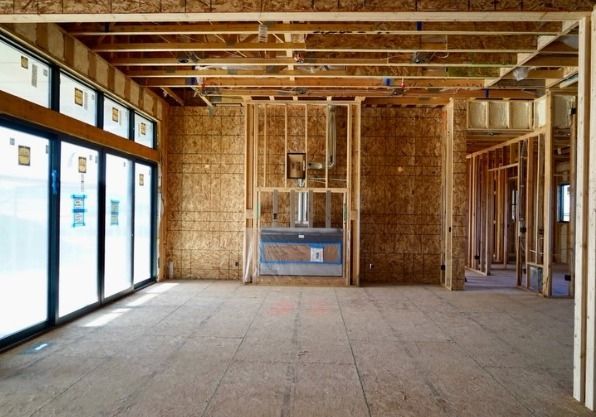
An unfinished interior with exposed wood framing, ceiling joists, large black-framed glass doors, ductwork, and bare floors.

Divide Large Projects Into Work Areas

Large residential developments and commercial projects rarely benefit from treating the entire building as one drywall phase. Breaking the work into floors, units, wings, or defined zones gives project managers a controlled sequence to manage. One area can move through hanging and finishing while another reaches rough-in completion, which prevents a single unfinished space from holding up the entire project.

Each work area should have a clear release point before drywall crews enter it. Project managers can track framing completion, rough-in approval, material placement, and access by zone. That structure gives subcontractors a shared picture of what comes next and prevents crews from jumping between scattered areas that aren’t ready for continuous work.

Allow Time for Each Finishing Stage

Taping, joint compound, drying, sanding, texture work, and final surface preparation take time. Therefore, the schedule must reflect the sequence between them. Compressing those steps on paper won’t remove the drying time that finishing products require.

Site temperature and humidity can affect drying conditions, so project managers shouldn’t build a schedule around ideal conditions. Finishing crews need enough time to apply each coat and prepare the surface before the next step begins. A realistic allowance reduces rushed sanding, premature texture application, and return visits that can interfere with painters or other finish trades.

Coordinate Inspections Before Crew Arrivals

Required inspections should fit into the schedule before they become a stopping point. Depending on the project, inspectors may review framing, mechanical rough-ins, electrical work, insulation, or fire-rated assemblies before crews close the walls. Scheduling drywall before approvals creates risk because inspectors may require access to previously covered areas.

Project managers should identify inspection milestones early and connect them to drywall release dates. If an inspection shifts, the team can move crews to another approved area instead of leaving installers idle. On large projects, phased work helps one zone remain active while another waits for approval.

Protect Finished Areas From Trade Damage

Other trades continue moving through the building after drywall finishing. Carts, ladders, material handling, or late wall penetrations may damage finished surfaces when crews share the same space without a defined sequence. Repairs consume labor and could interfere with paint schedules.

Once an area reaches the finishing stage, set access expectations. Trades should know when walls are ready for limited access and when certain activities could scar corners or puncture finished surfaces. Project managers need to route late changes through a controlled process to make sure that crews repair the approved openings at the appropriate time.

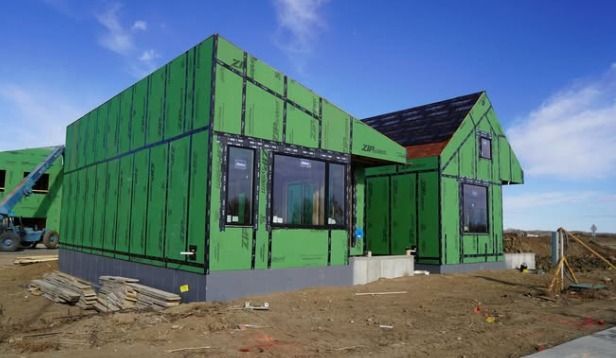
A house under construction with green exterior sheathing, black-framed windows, an open entryway, and exposed roof framing.

Schedule Final Repairs Before Painting

Even organized projects develop small drywall issues near the end of the project. Electrical adjustments, fixture changes, cabinet installation, or minor trade damage might leave holes, dents, or scuffed corners. Waiting until painters arrive to identify those repairs creates avoidable delays because patched areas need finishing and drying before paint preparation continues.

Plan a dedicated drywall punch period before final painting. The superintendent and drywall team can walk the project together, identify repair locations, and group the work into one organized visit. That approach protects the smooth drywall installation schedule through the final stages because crews address remaining work in a controlled window instead of returning for isolated repairs after paint crews have mobilized.

Keep Communication Tied to the Schedule

Updates must reach the crews performing the work. Project managers, drywall crews, and suppliers need information about deliveries, inspections, and access restrictions. Consistent communication helps each group adjust before a schedule change turns into lost time on site.

Use one shared scheduling process and update it when conditions shift. Whether the team relies on project management software, weekly coordination meetings, or written look-ahead schedules, everyone should work from the same dates. Prompt, detailed communication gives crews time to adjust labor and delivery plans.

Coordinate Construction Tasks With Rival Drywall

A reliable construction schedule depends on accurate sequencing and steady communication throughout the project. Contractors who involve their drywall partner in schedule discussions early can identify realistic installation windows and plan around the work that must happen before and after drywall.

Rival Drywall provides drywall installation services for residential, multifamily, and commercial projects throughout Colorado’s Front Range. Reach out to our team to discuss project timing, installation requirements, and scheduling details for an upcoming job.

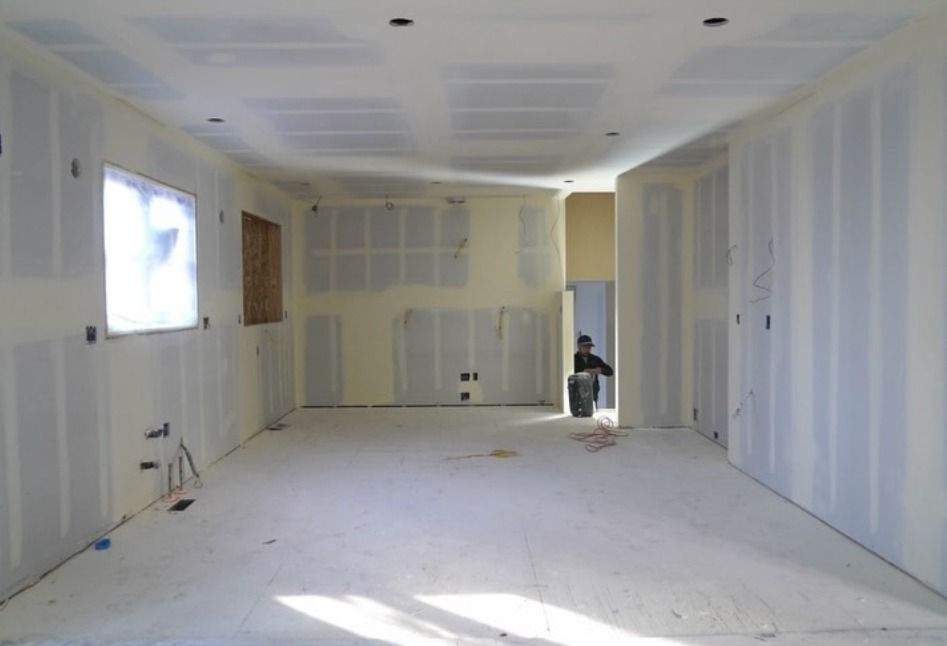
A partially finished room with drywall panels, ceiling cutouts, exposed wires, and a worker standing
September 16, 2026
Each drywall finishes produces a distinct design on walls and ceilings. Learn how these common textures vary in appearance, materials, and application.
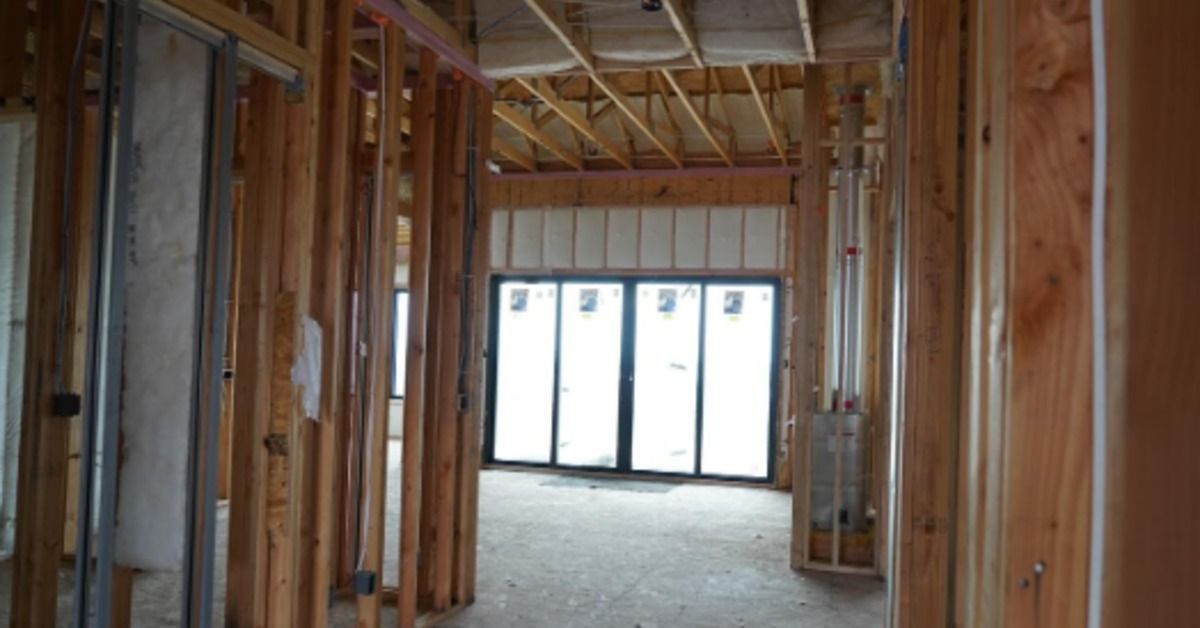
An unfinished room with exposed wall studs, ceiling joists, metal framing, and tall glass doors.
September 3, 2026
Wall placement has a direct effect on a work environment’s aesthetic. Find out how drywall materials and designs contribute to a polished, modern office.
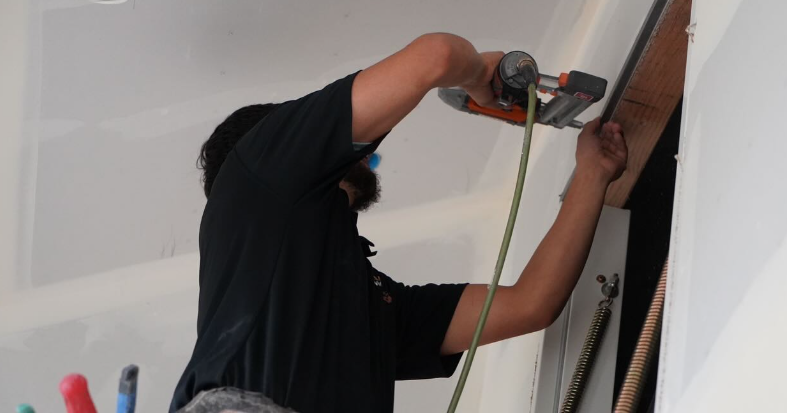
An installer is using a pole-mounted drywall sander with a vacuum hose along a white ceiling beside
August 24, 2026
Are you concerned that the cracks or stains on your drywall aren’t superficial? Here are the signs that drywall damage is more than a cosmetic issue.
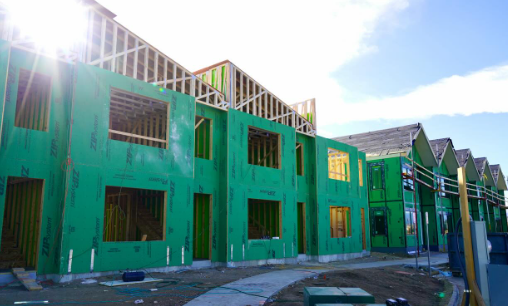
A row of green-wrapped, two-story townhouse buildings under construction with empty windows, wood fr
August 14, 2026
The right drywall team keeps complex projects on track. Discover why Colorado builders trust local drywall experts for quality scheduling and installation work.
An extreme close-up of the edge of a wall with a smooth drywall surface. An open door is in the back
August 4, 2026
Explore the pros and cons of different drywall textures. Learn how each finish affects appearance, upkeep, repairs, and long-term value in your house over time.
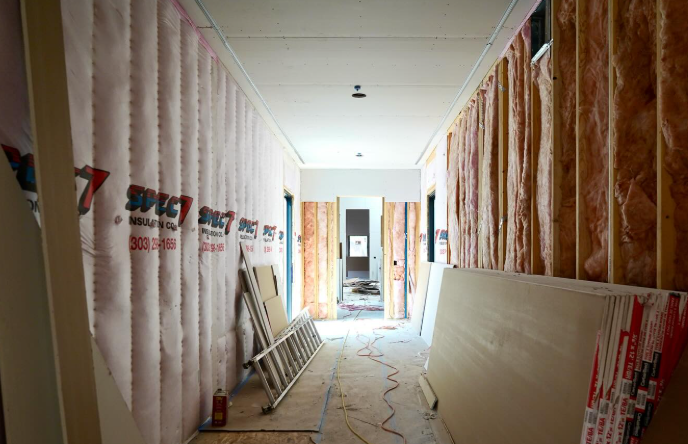
A hallway with insulation installed between the studs. Drywall sheets are stacked and lying against
July 17, 2026
Learn what commercial businesses should expect from drywall contractors during planning and installation work in active facilities or new spaces.
A close-up of a mud-covered hand holding a metal putty knife against a smooth beige wall indoors bes
June 30, 2026
Drywall repair is a complex process that requires a steady hand and thorough preparation. Find out which mistakes you should avoid when patching drywall damage.
A high-ceilinged interior room with newly installed drywall, exposed beams, and unfinished construct
June 4, 2026
Whether it's a small or extensive task, installing drywall is difficult without a plan. Use these tips to coordinate drywall work for any project.
Why Quality Drywall Matters in Home Remodels
May 14, 2026
Drywall isn't the first thing homeowners think about during a remodel, but it's an essential component. Learn why quality drywall matters in home renovations.
Dos and Don’ts of Tenant Improvement Drywall Jobs
April 30, 2026
Tenants deserve to live in a property that repairs drywall issues promptly. Follow the dos and don'ts of tenant improvement drywall jobs for the best result.

Show More