Everything You Need To Know About Drywall Finishes
Some homeowners prefer a smooth wall that keeps attention on paint color and furnishings. Others want texture that softens minor adds depth. There are several types of drywall finishes to learn about before getting started with a home remodel or repair. Each finish depends on a specific combination of joint compound, texture material, tools, and application technique.
What Does a Drywall Finish Include?
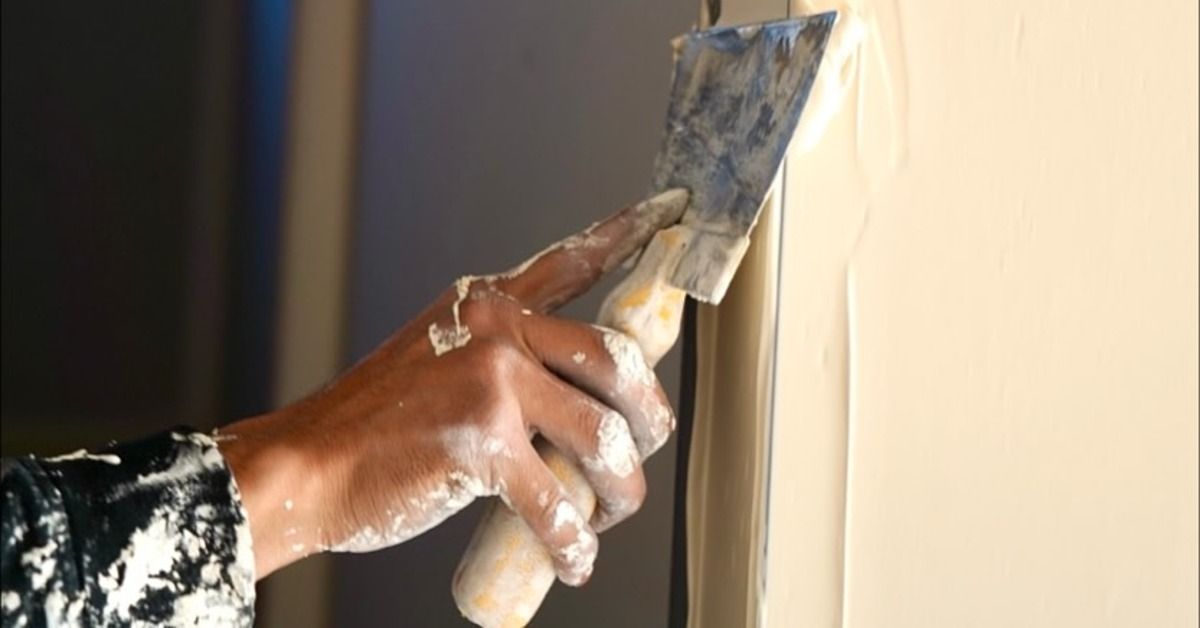
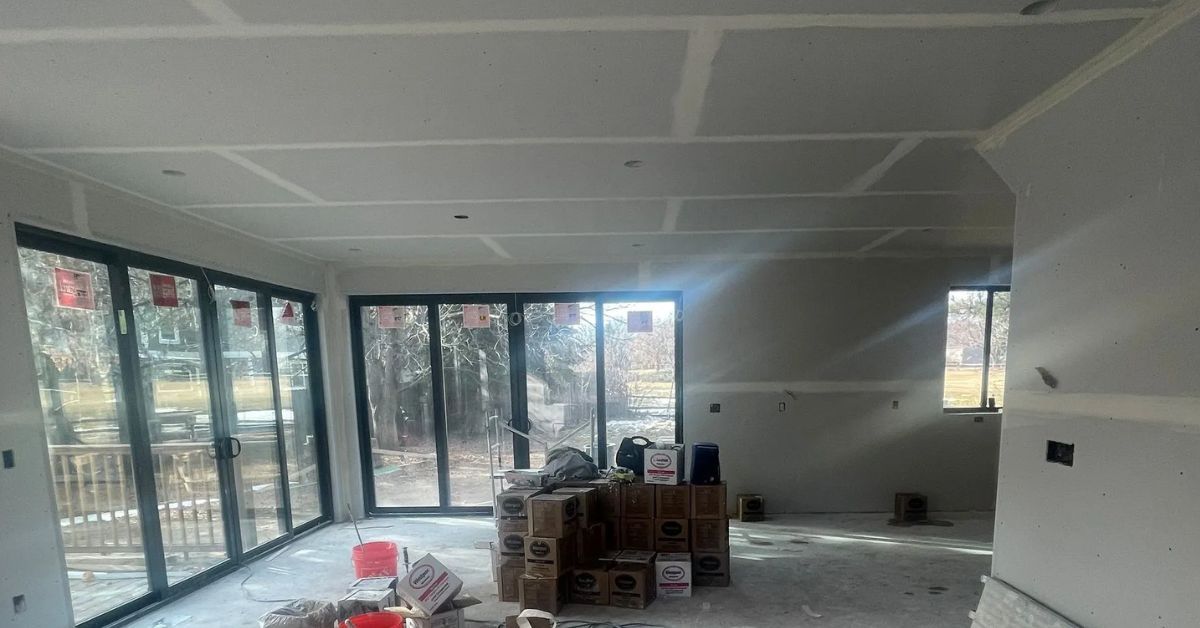
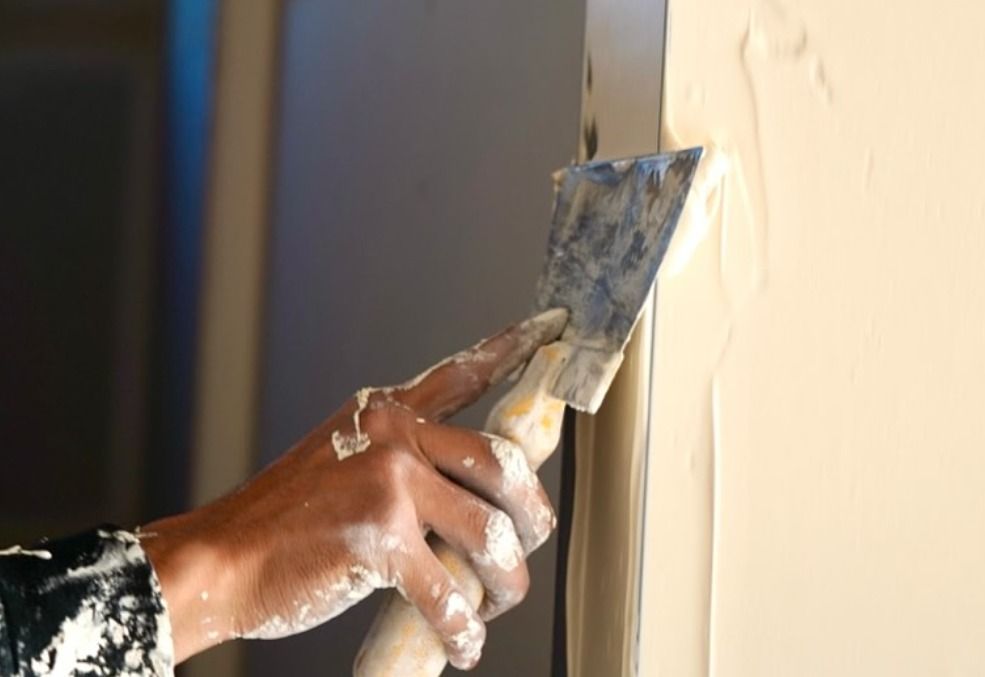
Before drywall installers add texture, the material needs a properly finished surface. Installers cover fasteners, reinforce panel joints with tape, and apply layers of joint compound to create an even base. The amount of finishing work depends on the final appearance because smooth walls expose surface variations more readily than thick, detailed textures.
Drywall finish levels and decorative textures describe related but different parts of the process. Finish levels indicate how thoroughly crews treat joints, fasteners, and the panel surface before decoration. Texture describes the visible pattern added after that preparation. A smooth painted wall usually needs precise surface preparation, while textured walls use additional material to form a deliberate pattern.

Smooth Drywall Finish
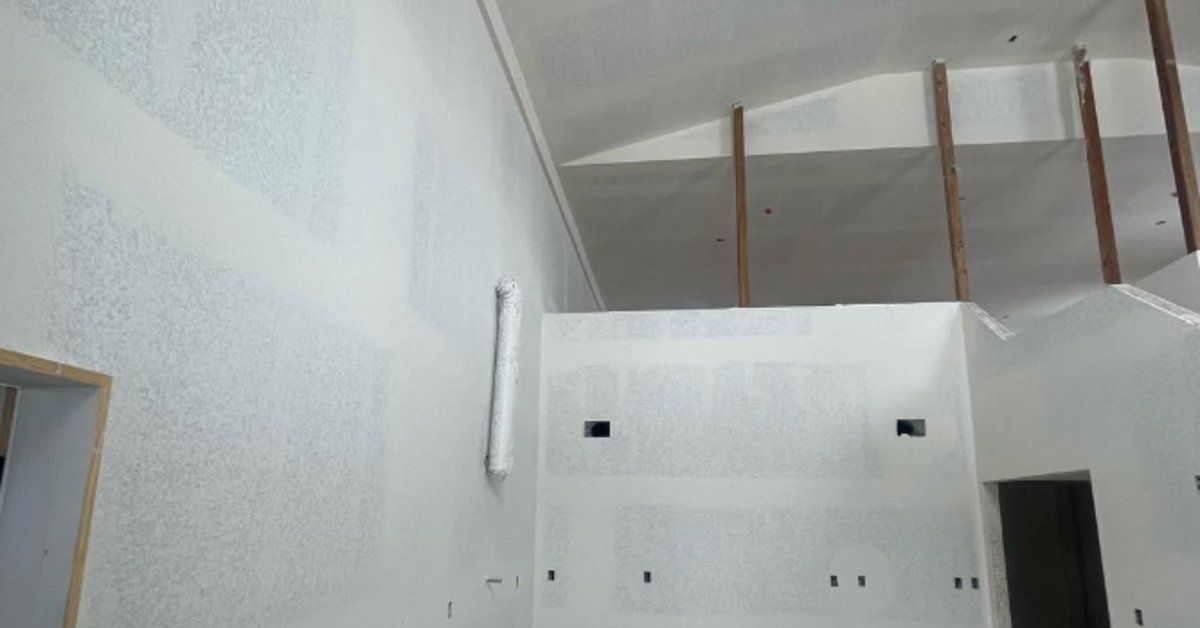
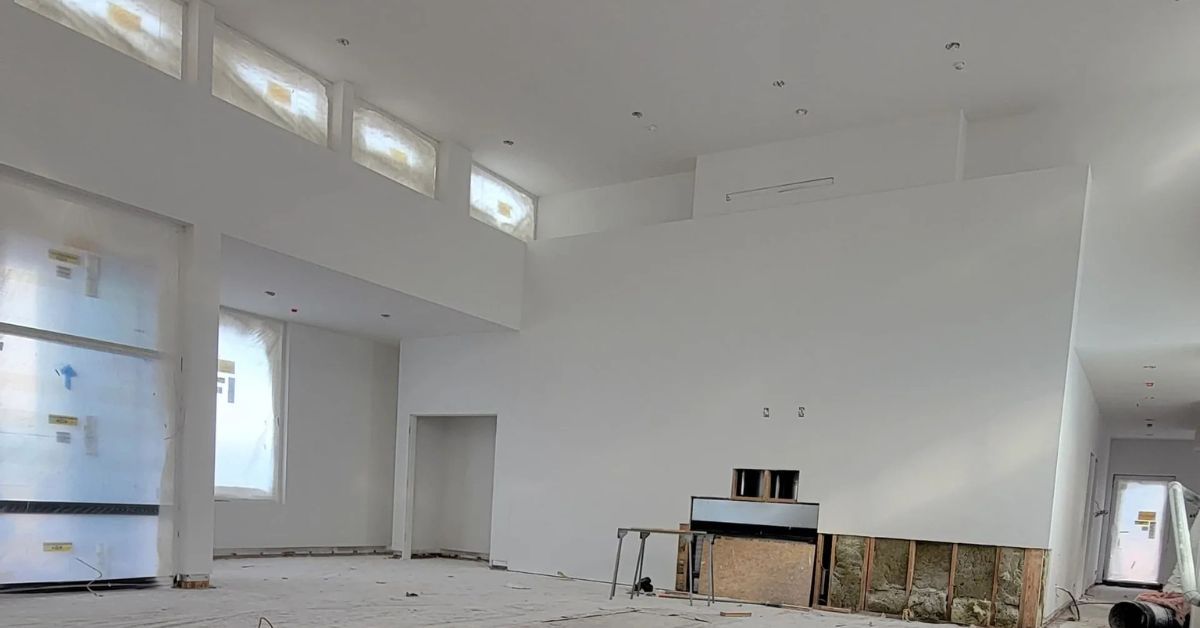
A smooth finish creates a flat, uninterrupted wall surface with no intentional texture. Paint sits over the prepared drywall, leaving a clean appearance that suits contemporary interiors and simple architectural details. Natural light and wall-mounted fixtures can make this finish especially noticeable because light travels across the surface without texture to break it up.
Joint compound forms the foundation of a smooth finish. Installers apply compound over seams and fasteners before sanding. High-end smooth finishes may include a skim coat across the drywall face to reduce visible differences between the paper surface and finished joints. Since paint can highlight ridges, sanding marks, and uneven transitions, careful workmanship is important.
Orange Peel Texture
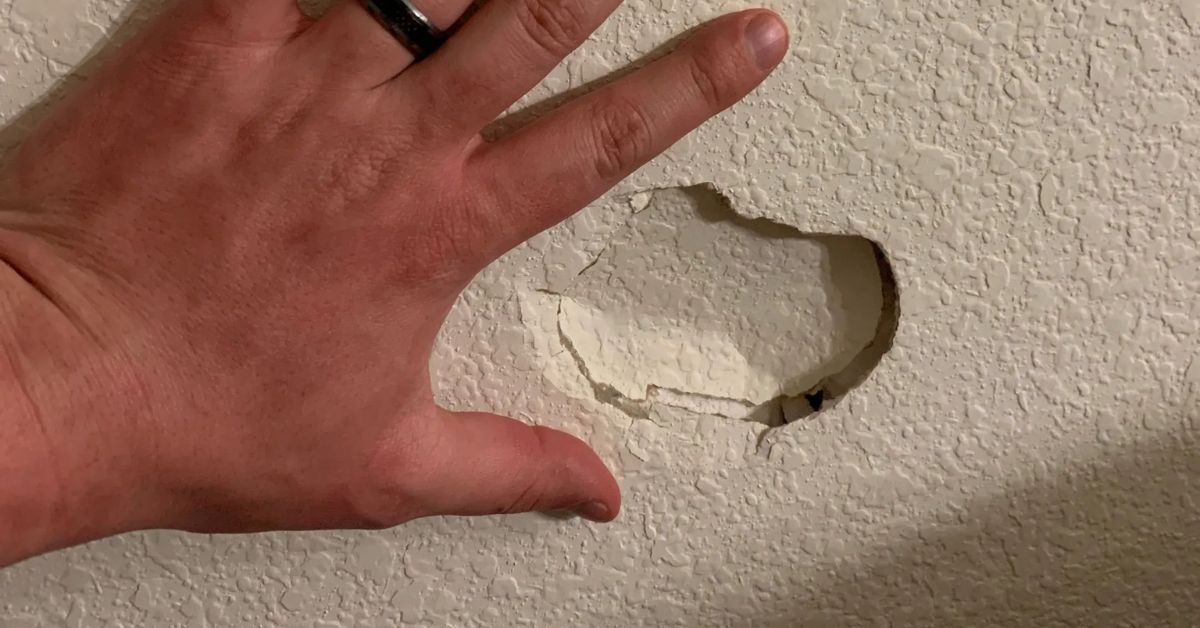
Small, rounded bumps give orange peel its recognizable appearance. The pattern resembles citrus skin, although the texture usually remains shallow enough to be subtle. Because the pattern has low relief, it doesn’t produce the pronounced ridges found in thick textures.
Installers typically create orange peel with a spray texture product or a thinned texture mixture. The material passes through a sprayer and lands on the wall as small droplets. Spray pressure, material consistency, and nozzle size influence whether the pattern appears fine or pronounced. If you’re renovating a single room in the house, keep in mind that matching an existing orange peel finish is a precise process. The installer needs to blend the droplet size and spacing with the surrounding wall for a cohesive surface.
Knockdown Texture
Knockdown texture begins with a sprayed pattern, but the finishing process changes its final appearance. After the material partially sets, an installer lightly flattens the raised droplets with a wide knife or similar tool. The result includes irregular flattened areas with soft edges and visible spaces between them.
Texture compound or a suitable joint compound mixture usually supplies the material. Timing has a major effect on the pattern because flattening too soon can smear the material, while waiting too long can leave harsh ridges. Knockdown works across walls and ceilings when homeowners want noticeable texture without the heavy profile of popcorn. Repairs require careful blending so the flattened areas resemble the original work.
Skip Trowel Texture
Broad, irregular patches define skip trowel walls. An installer moves a trowel across the surface, so portions of compound catch the drywall and other portions remain comparatively open. The finished result has sweeping areas of texture that develop a handcrafted appearance.
Joint compound provides the working material. Its consistency affects how easily the trowel skips across the wall and how much material remains behind. Hand pressure and tool angle also shape the pattern, so matching a previous application takes a careful approach. A successful repair needs to reproduce the surrounding scale, spacing, and movement before paint touches the surface.
Sand Swirl Texture
Curved, overlapping marks give sand swirl its distinctive character. Installers create repeated arcs across the wall or ceiling, producing a pattern that feels more decorative than random spray textures. The finish attracts attention through movement; it tends to influence the room’s overall appearance more strongly than orange peel.
A sand-textured compound or joint compound combined with fine aggregate creates the gritty material needed for the pattern. The installer uses a brush or similar tool to form curved marks before the mixture dries. Consistent spacing helps the separate swirls read as one continuous surface. During repairs, the new swirls also need to align with the scale and direction of the existing finish.
Popcorn Ceiling Texture
Popcorn texture creates a coarse, heavily raised surface that appears most frequently on ceilings. Its dense profile produces a stronger visual effect than orange peel or knockdown. Many old homes still have popcorn ceilings, although homeowners sometimes remove the texture during renovations to create a smooth interior.
Texture products formulated for spray application create the raised finish. Depending on the product and installation era, the mixture may contain lightweight aggregate that produces the familiar clustered surface. Repairing popcorn texture involves matching density, particle size, and coverage around the damaged area. Older ceiling textures also warrant caution because some historical materials contained asbestos, so homeowners should have questionable material evaluated before disturbing it.
Choosing a Finish for Existing Rooms
Existing walls provide useful direction when a repair or remodel affects one portion of a room. Matching the surrounding finish usually creates the most cohesive result because a new texture can stand out even after painters use the same color. Light direction also influences how closely two surfaces appear to match. For extensive renovations, homeowners have more freedom to change the finish because each of the walls will have a new appearance.
Maintenance Considerations
Another thing that homeowners need to know about drywall finishes is their maintenance needs. Deep textures collect dust in their grooves and make cleaning more time-consuming. Homeowners may need a soft brush, vacuum attachment, or lightly damp cloth to reach uneven areas without damaging the surface. When it comes to patching imperfections, textured walls require a careful approach to ensure that the patch blends in with the surrounding pattern.
Smooth finishes make routine cleaning and touch-ups simple, but they show dents, sanding marks, and uneven joints clearly. Consider how often you clean the room, how much wear the walls receive, and whether future repairs may affect the surface. Balancing appearance with upkeep helps you choose a practical finish for the home.
Which Finish Fits Your Home?
A smooth surface supports a restrained appearance, while orange peel or knockdown introduces subtle texture. Skip trowel and sand swirl make the surface itself more decorative. The best drywall finish should work with the room’s lighting, paint, existing surfaces, and overall design.
For smooth finishing, texture matching, and proper surface preparation, hiring residential drywall services is essential. Rival Drywall completes drywall repairs, remodels, and more to ensure that homeowners have sturdy yet beautiful walls.