Pros and Cons of Different Drywall Textures

August 4, 2026

Every unique surface reflects light differently. For drywall, each type of texture produces a special appearance. Homeowners who need to patch up damaged drywall or want to renovate their home with brand-new surfaces need to know which type of drywall to choose. Find out the pros and cons of different drywall textures for a seamless home improvement project.

Orange Peel Texture

Orange peel texture uses sprayed joint compound to form small, rounded bumps across drywall. The finished surface resembles citrus skin while maintaining a shallow profile.

Advantages

Orange peel softens minor sanding marks and slight finish inconsistencies. Its low relief interrupts reflected light, so small surface variations attract less attention. The pattern doesn’t dominate the room because the bumps remain understated after painting.

Repainting remains manageable because standard rollers reach most recessed areas. Homeowners appreciate this advantage in active spaces where walls receive periodic touchups. The familiar pattern blends with many interior styles and nearby textured surfaces.

Drawbacks

Repair work depends on matching droplet size and spray density. Large droplets stand apart from a fine existing pattern. Paint sheen emphasizes the mismatch once light crosses the repaired area.

Routine cleaning demands a light touch because firm scrubbing flattens raised spots. As a result, aggressive cleaning risks a polished patch across the wall. Shallow bumps retain more residue than smooth drywall surfaces.

Knockdown Texture

Installers flatten sprayed compound after a brief set period to create knockdown texture. The process leaves broad irregular shapes with low ridges and open spaces.

Advantages

Modest flaws disappear on knockdown drywall surfaces across wide surfaces. Minor seams and sanding marks attract minimal attention because of its broken pattern, which interrupts straight sight lines.

The finish introduces visual depth without the heavy profile of popcorn. Warm interiors and casual living spaces suit its relaxed appearance. Ceiling light defines the flattened edges, while the low ridges keep the design from overwhelming the room.

Drawbacks

Installation timing controls the finished knockdown pattern across each wall. Flattening compound before it firms smears the spray, and a delayed pass leaves harsh ridges. Consistent hand pressure shapes the scale and direction of every section.

Repairs present a similar challenge because each patch must echo the surrounding wall. A small work area risks an abrupt shift in pattern density, so it’s important for a professional to carefully texture-match the area for a seamless finish.

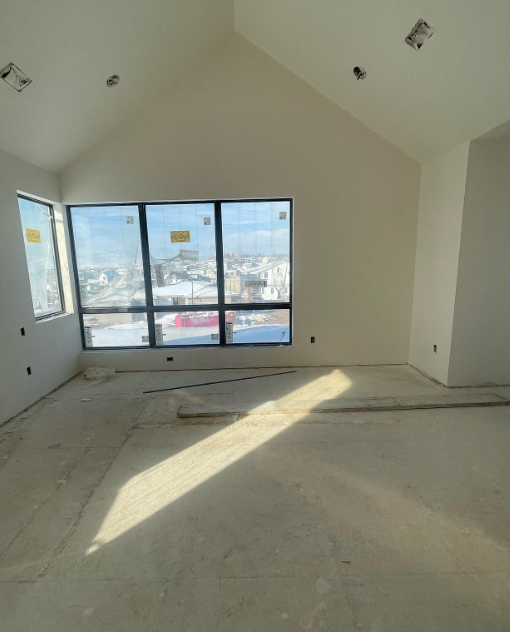
The interior of a home with tall windows, an angled ceiling, a bare subfloor, and smooth white walls.

Skip Trowel Texture

Skip trowel texture uses a hand trowel to spread thin areas of joint compound across drywall. The tool skips over parts of the surface and leaves irregular islands with broad movement.

Advantages

Large rooms gain a crafted appearance with skip trowel texturization. Natural light catches each edge and creates subtle variation as the day progresses. The pattern won’t appear mechanically uniform because installers shape every pass by hand.

The uneven layout softens minor finish flaws without relying on a dense spray pattern. Mediterranean and Southwestern interiors pair especially well with this hand-finished character.

Drawbacks

The outcome of skip trowel texture depends on the installer’s skill. They must use consistent trowel pressure and compound thickness. Heavy passes create thick ridges, and light passes leave bare areas, disrupting the pattern.

For patch work, the installer must recreate scale and direction. A tiny repair easily stands apart from wide trowel marks, so it’s important to match the original approach very closely.

Sand Swirl Texture

Sand swirl texture combines fine aggregate with sweeping circular strokes. Installers guide a brush or trowel through wet material to form connected arcs across the surface.

Advantages

Repeated arcs create decorative rhythm across ceilings and accent walls. Each curve leads naturally into the next section. The connected pattern introduces movement without relying on deep texturization.

Sand swirl brings traditional character to rooms with soft lighting. Gentle shadows emphasize the flowing lines and establish a comfortable atmosphere. Homeowners who value visible craftsmanship appreciate its hand-applied appearance.

Drawbacks

Sand swirl isn’t forgiving when installers lose consistent spacing. The eye follows each curve into the next section, so uneven arcs become obvious. One misaligned stroke risks interrupting the entire pattern.

When future repairs take place, sand swirl patterns are difficult to match. They require ample precision. Plus, the compound must match the original grit before an installer recreates surrounding arcs. Even a close material match remains visible when fresh strokes break the established rhythm.

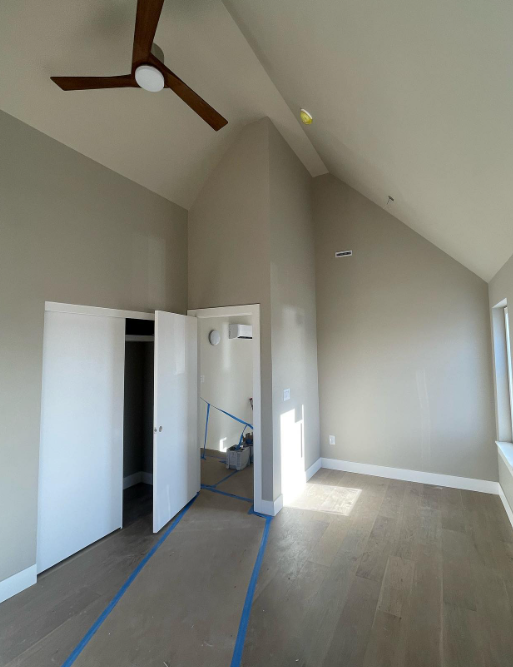
The interior of a home with gray walls, a white closet door, wood plank flooring, and a ceiling fan.

Slap Brush Texture

Slap brush texture forms after an installer presses a patterned brush into wet compound. Lifting the brush creates branching marks across ceilings or walls.

Advantages

The dense pattern hides moderate surface variation and introduces strong visual movement. The sculpted marks suit rooms with simple trim because the texture supplies most of the ceiling detail. Additionally, the consistent spacing keeps the energetic design from becoming chaotic.

Different brush shapes produce crow’s foot or stomp patterns. This range lets homeowners select gentle branching marks or pronounced points. Careful compound control preserves the chosen depth across the entire surface.

Drawbacks

Deep marks collect dust along raised points and recessed pockets. Cleaning requires gentle tools because firm pressure risks chipping dried compound. Repainting demands a thick roller nap to reach irregular areas.

Repairs remain difficult because brush pressure controls every impression. The same tool won’t guarantee matching spacing or depth. Plus, existing paint layers soften old marks, making an exact match especially difficult.

Popcorn Texture

Popcorn texture uses thick sprayed material to create a heavily stippled surface. It appears most commonly on ceilings in older homes and utility spaces.

Advantages

The coarse profile masks broad finish flaws more effectively than subtle textures. It breaks up glare from ceiling lights and reduces the visual impact of minor seams. Large ceilings gain consistent coverage through the dense pattern.

Popcorn texture softens some sound because its uneven surface disrupts reflection. Homeowners preserving a period interior sometimes keep an intact ceiling. The finish suits low-priority spaces where broad coverage takes priority over refined detail.

Drawbacks

Cleaning popcorn texture can be challenging because its rough surface easily traps dust and debris. Firm brushing or aggressive cleaning can dislodge the raised particles and damage the finish. In addition, the porous nature of the material allows water stains to spread quickly, making them especially difficult to conceal.

Choose Texture With Long-Term Value

The right texture should suit the room and its expected maintenance level. Comparing the pros and cons of drywall textures shows how appearance and repair demands work together.

Rival Drywall is a team of skilled residential drywall contractors. We are capable of installing brand-new drywall, matching existing textures, and more. Contact our team to discuss your project and request a quote.

A hallway with insulation installed between the studs. Drywall sheets are stacked and lying against
July 17, 2026
Learn what commercial businesses should expect from drywall contractors during planning and installation work in active facilities or new spaces.
A close-up of a mud-covered hand holding a metal putty knife against a smooth beige wall indoors bes
June 30, 2026
Drywall repair is a complex process that requires a steady hand and thorough preparation. Find out which mistakes you should avoid when patching drywall damage.
A high-ceilinged interior room with newly installed drywall, exposed beams, and unfinished construct
June 4, 2026
Whether it's a small or extensive task, installing drywall is difficult without a plan. Use these tips to coordinate drywall work for any project.
Why Quality Drywall Matters in Home Remodels
May 14, 2026
Drywall isn't the first thing homeowners think about during a remodel, but it's an essential component. Learn why quality drywall matters in home renovations.
Dos and Don’ts of Tenant Improvement Drywall Jobs
April 30, 2026
Tenants deserve to live in a property that repairs drywall issues promptly. Follow the dos and don'ts of tenant improvement drywall jobs for the best result.
Why DIY Drywall Repairs Often Cost More Long Term
By Derek Adams April 20, 2026
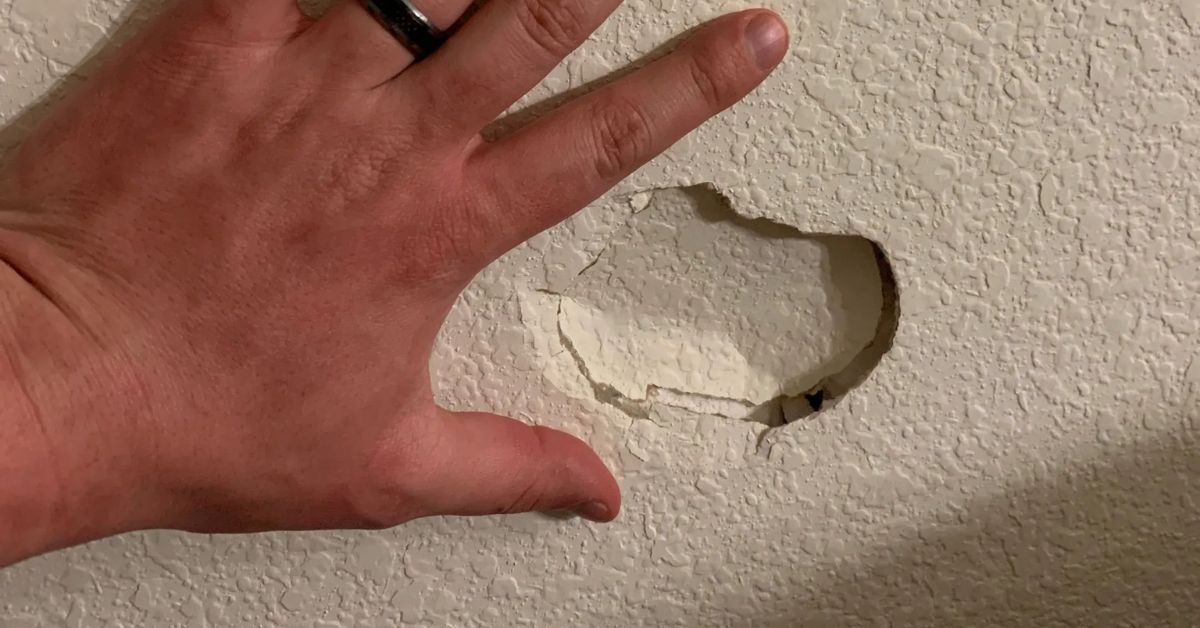
Fixing damaged drywall may seem simple to DIY on the surface. However, DIY drywall repairs often cost more long term because of the intricate process.

Qualities To Look for in a Great Drywall Contractor
April 7, 2026
There are several qualities that make up a great contractor. From amazing communication skills to quality installation, learn how to find the best professional.
Common Challenges in Drywall Projects and How To Avoid Them
By Derek Adams March 19, 2026
Installing and repairing drywall is a complex skill. With so many elements to consider, learn how to avoid the most common challenges in drywall projects.
Common Misconceptions About Residential Drywall Work
March 17, 2026
Drywall repair and installation are tougher projects than many homeowners realize. Discover the most common misconceptions about residential drywall work.
Tips for Managing Large-Scale Drywall Installations
February 27, 2026
Learn practical tips for managing large-scale drywall installations, including scheduling, crew coordination, quality control checklists, and more.
Show More