Why Colorado Builders Trust Local Drywall Experts

August 14, 2026

Builders who manage several homes or commercial spaces face constant pressure from schedules and trade dependencies. Drywall sits at a critical point between rough construction and finished interiors. If there’s a missed handoff, it will delay painters or trim crews across several units.

This is why  Colorado builders need to find trustworthy local drywall experts. Local knowledge supports practical planning, and reliable employees ensure that the job reaches completion by the deadline. Here are the reasons why hiring a skilled, reliable drywall team is essential for construction projects.

Scheduling Protects the Construction Sequence

Drywall work affects nearly every interior trade that follows. Hanging drywall must begin after framing inspections, and finishing work must progress before painting or millwork.

A dependable drywall contractor reviews the full schedule before assigning labor. The crew plans panel deliveries around confirmed project milestones. This sequencing reduces rushed handoffs between overlapping interior trades.

Builders gain a reliable point of contact during schedule changes. Construction plans shift because inspections move or materials arrive late. A local contractor revises crew assignments while protecting priorities across active projects.

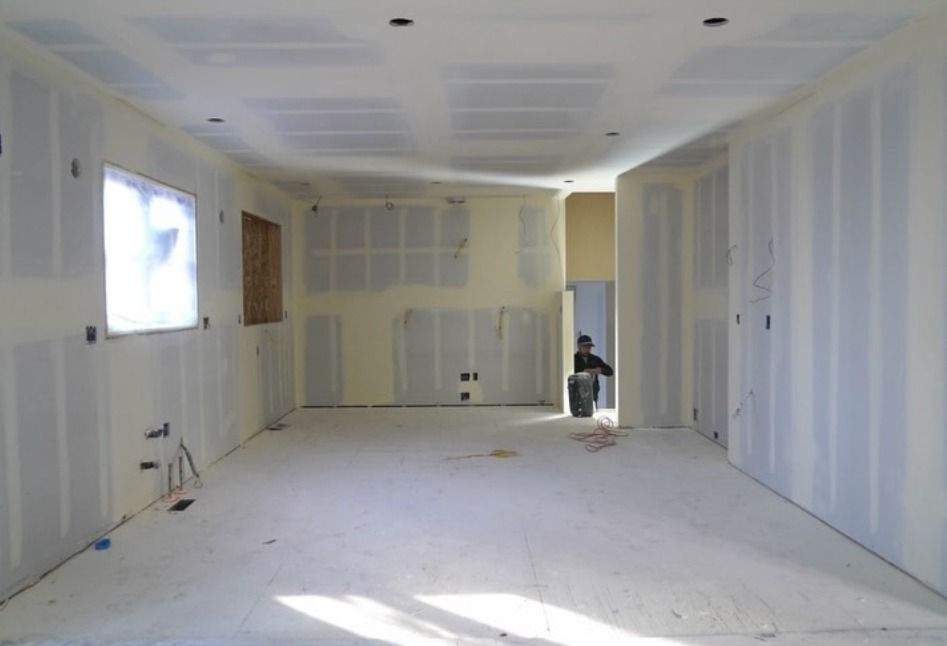
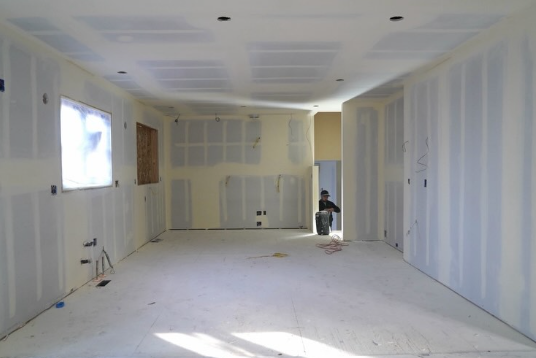
An unfinished room with drywall seams, ceiling cutouts, wiring, a window, and a person working near the far wall.

Capacity Supports Multiple Active Projects

It’s rare for production builders to manage one isolated address at a time. Their schedules include several homes in different phases. Commercial teams coordinate floors or tenant spaces at the same time.

Drywall contractors need enough labor to cover this pace without sacrificing finish standards. Supervisors must place skilled crews where each phase demands their experience.

Reliable staffing protects the builder from uneven progress. One project shouldn’t absorb every available installer while another site waits. A contractor with disciplined workforce planning keeps each commitment visible and assigns labor according to the agreed sequence.

Communication Prevents Trade Conflicts

Drywall crews share the jobsite with many other specialists. Framing details and mechanical penetrations directly affect panel installation. Missing information stops a room even though the crew arrived as scheduled.

Effective contractors raise questions before the issue reaches production. They confirm access, review plan changes with the project team, and report site conditions that could affect hanging or finishing.

Consistent communication gives builders time to make decisions without disrupting several crews. Clear records create accountability around every approved scope change. Everyone knows what changed and the updated schedule to follow.

Regional Conditions Influence Drywall Work

Colorado projects experience dry air and sharp temperature shifts. Elevated locations expose some sites to strong sunlight and cold nights. These conditions influence material storage and finishing plans.

Local drywall teams don’t treat jobsites like a climate-controlled interior. Instead, they evaluate enclosure and ventilation before committing to production dates.

Temperature Affects Joint Finishing

Joint compound needs stable conditions during application and drying. Cold surfaces slow the process and interfere with planned coat schedules. On the other hand, heat dries exposed edges before the finisher completes the pass.

Manufacturers publish minimum temperature guidance for joint treatment. Published guidance notes how low temperatures or high humidity extend drying time. Experienced contractors use those limits when planning temporary heat and ventilation.

Dry Air Changes Work Timing

Colorado’s low humidity can speed moisture loss from ready-mixed products. Finishers still need enough working time to place and smooth each coat. Material consistency and application methods must match the jobsite environment.

Dry air changes how crews store opened finishing products. Open containers lose moisture during repeated use on the site. Therefore, crews need to protect the materials and mix products carefully, so they can prevent defects.

Altitude Shapes Jobsite Planning

Altitude doesn’t change the basic purpose of drywall. However, it does influence how quickly weather moves through many Colorado communities. Crews face warm afternoons followed by freezing nights during the same week.

Local teams know how to safeguard stored materials and check interior conditions before finishing begins. They don’t assume yesterday’s drying schedule will fit today’s environment. Being adaptable and aware of the conditions results in drywall contractors who are ready to progress with the project appropriately.

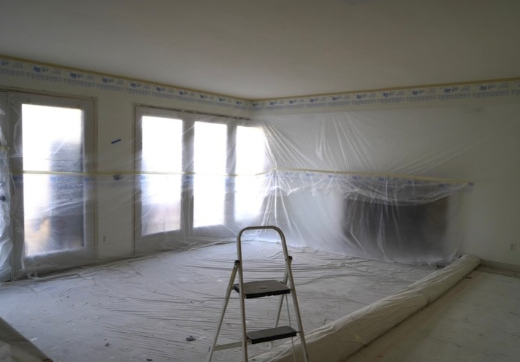
An empty room with covered windows and plastic sheeting over the floor and walls. A step ladder is in the middle of the room.

Consistency Protects Every Unit

A single custom home demands close finish control. A production program multiplies that expectation across repeated floor plans and shared spaces. Minuscule differences become obvious when inspectors or owners compare completed units.

Contractors create consistency through repeatable standards at each phase. Supervisors review joints and corners at defined stages. They check fastener coverage and surface preparation to stop errors from spreading across. Early correction costs less than repairing the same defect in several rooms, ensuring that the project stays on schedule.

Material Planning Reduces Delays

Even when crews arrive on time, missing or damaged panels stop installation projects. A delivery might omit moisture-resistant board intended for bathrooms, and crushed edges leave portions of the shipment unusable.

Strong material planning begins with a careful review of the drawings and project schedule. The drywall contractor confirms panel types and quantities before placing each order. Delivery dates then follow the installation sequence across floors or units. This approach prevents crews from searching through mixed stacks or waiting on materials assigned to a later phase.

Local contractors understand supplier lead times and regional delivery patterns. Their familiarity becomes valuable when a specified product has limited availability or weather affects transportation. They can alert the project team early and discuss schedule adjustments before the shortage reaches the field.

Site Organization Supports Production

Large drywall scopes generate steady movement through the building. Organized contractors coordinate delivery zones with site leadership. They place materials near the intended work area without blocking other trades or spreading debris throughout the jobsite.

Orderly work areas support accurate installation throughout each active zone. Installers spend their time hanging board instead of moving misplaced stacks. As a result, project leaders benefit from a functional site amidst overlapping phases.

Accountability Limits Repeat Work

Builders need contractors who respond appropriately to issues. Silence creates uncertainty and delays the next trade. A direct response contains the issue and ensures the team makes the proper correction.

Accountability includes ownership of workmanship and coordination commitments. Supervisors inspect completed areas and assign corrections promptly. They don’t leave the builder to track down individual installers. This standard strengthens long-term relationships between builders and trade partners. Builders know who will answer and what process will follow.

Work With a Skilled Drywall Team

Choosing a drywall contractor involves more than reviewing a price. Builders need capacity and communication that support repeated construction schedules and changing jobsite conditions.

Rival Drywall works on custom homes, multifamily communities, commercial properties, and more.  Colorado builders who trust our local drywall experts will receive quality drywall services. Contact our team to discuss your upcoming project and request a quote.

An extreme close-up of the edge of a wall with a smooth drywall surface. An open door is in the back
August 4, 2026
Explore the pros and cons of different drywall textures. Learn how each finish affects appearance, upkeep, repairs, and long-term value in your house over time.
A hallway with insulation installed between the studs. Drywall sheets are stacked and lying against
July 17, 2026
Learn what commercial businesses should expect from drywall contractors during planning and installation work in active facilities or new spaces.
A close-up of a mud-covered hand holding a metal putty knife against a smooth beige wall indoors bes
June 30, 2026
Drywall repair is a complex process that requires a steady hand and thorough preparation. Find out which mistakes you should avoid when patching drywall damage.
A high-ceilinged interior room with newly installed drywall, exposed beams, and unfinished construct
June 4, 2026
Whether it's a small or extensive task, installing drywall is difficult without a plan. Use these tips to coordinate drywall work for any project.
Why Quality Drywall Matters in Home Remodels
May 14, 2026
Drywall isn't the first thing homeowners think about during a remodel, but it's an essential component. Learn why quality drywall matters in home renovations.
Dos and Don’ts of Tenant Improvement Drywall Jobs
April 30, 2026
Tenants deserve to live in a property that repairs drywall issues promptly. Follow the dos and don'ts of tenant improvement drywall jobs for the best result.
Why DIY Drywall Repairs Often Cost More Long Term
By Derek Adams April 20, 2026
Fixing damaged drywall may seem simple to DIY on the surface. However, DIY drywall repairs often cost more long term because of the intricate process.
Qualities To Look for in a Great Drywall Contractor
April 7, 2026
There are several qualities that make up a great contractor. From amazing communication skills to quality installation, learn how to find the best professional.
Common Challenges in Drywall Projects and How To Avoid Them
By Derek Adams March 19, 2026
Installing and repairing drywall is a complex skill. With so many elements to consider, learn how to avoid the most common challenges in drywall projects.
Common Misconceptions About Residential Drywall Work
March 17, 2026
Drywall repair and installation are tougher projects than many homeowners realize. Discover the most common misconceptions about residential drywall work.
Show More